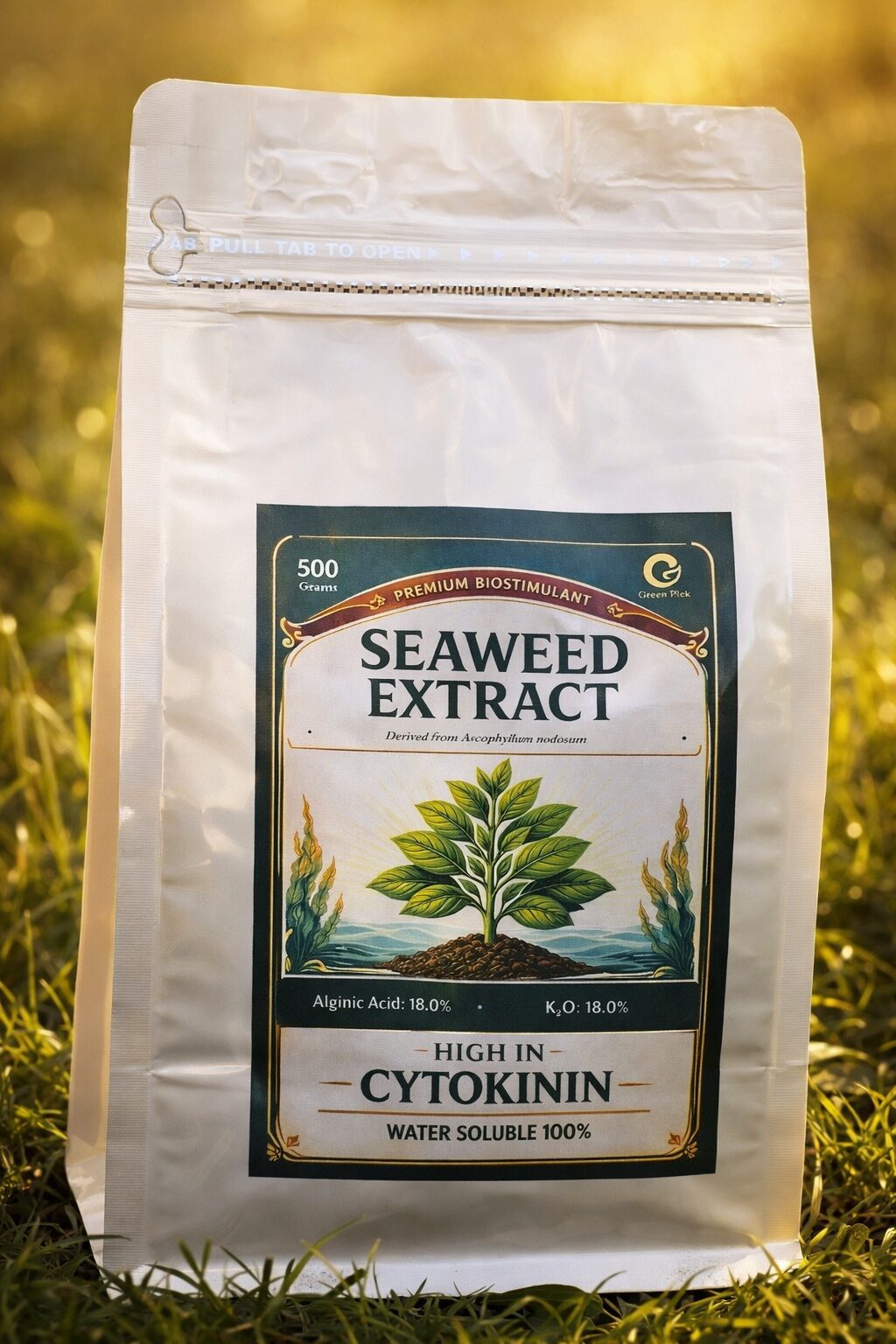
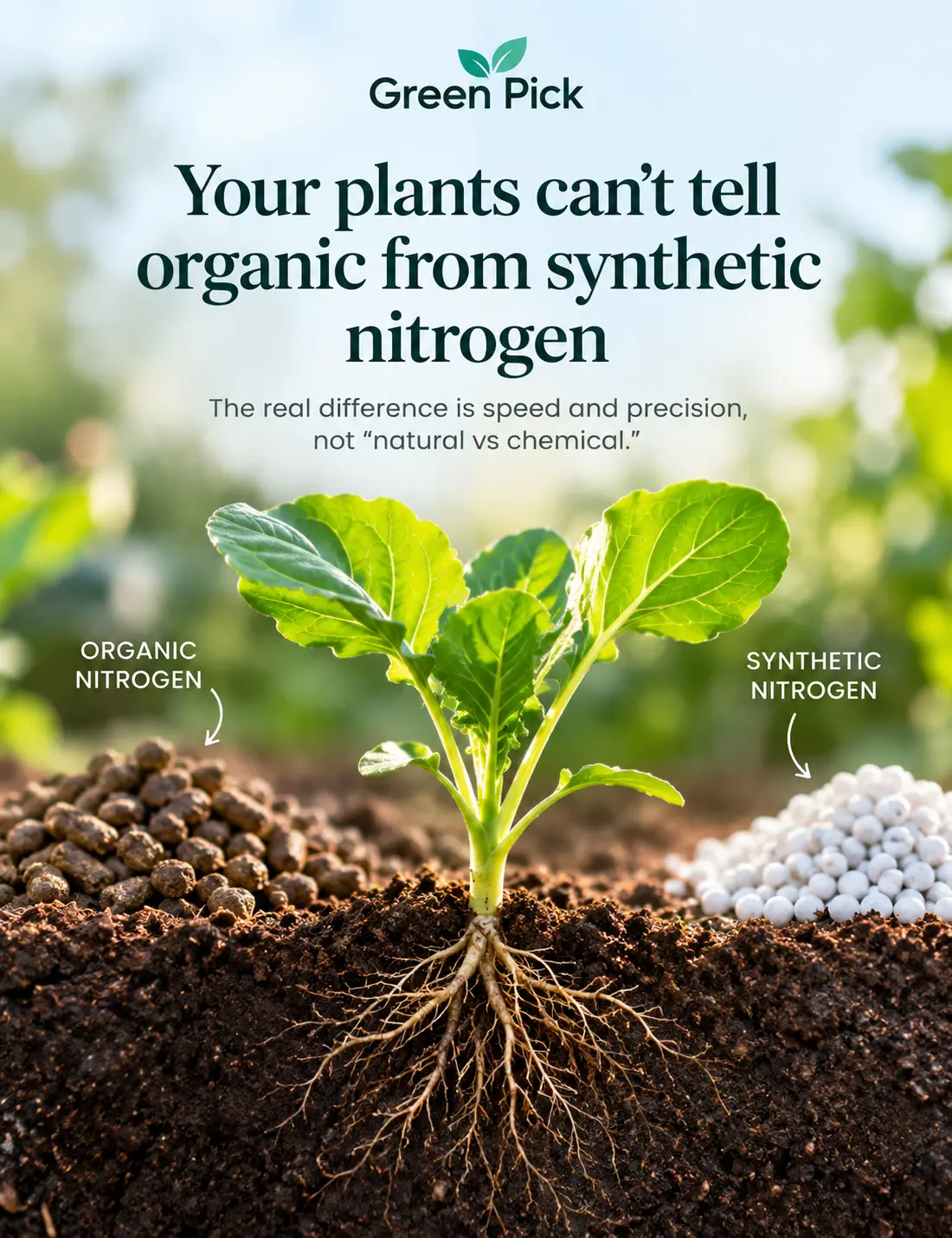

A nitrogen atom does not know whether it came from a chicken coop or a factory.
It carries no label and no memory. Once nitrogen from chook manure and nitrogen from a bag of urea have been converted into the forms roots absorb, they are chemically identical. That’s the short answer to the organic vs synthetic fertiliser debate. Plants take up nitrogen in the same few forms, whatever the source.
It isn’t the whole answer, though. The source changes how fast nitrogen arrives, what comes with it, and what happens to your soil along the way. That’s where the argument gets interesting, and where both camps tend to overreach.
Full disclosure: we sell mineral fertilisers. We also think compost is one of the best things you can put on a garden. Those two statements don’t clash, and the science explains why.
Before you read on: myth or fact?
Five claims you’ll hear in any gardening group. Tap an answer to see what the evidence says.
Plants absorb organic and synthetic nitrogen differently.
Answer: It’s a myth. Roots take up the same forms, mainly nitrate and ammonium, whatever the source. Read why
Synthetic fertiliser kills soil life.
Answer: Mostly a myth. In long-term trials, sensible use usually increased soil microbial biomass. The big exception is soil that has become very acidic. Read why
Organic fertiliser can’t burn plants.
Answer: It’s a myth. Fresh poultry manure releases ammonia quickly and can scorch roots and seedlings. Read why
Nitrate from compost can pollute waterways.
Answer: It’s a fact. Nitrate moves with water whatever its origin. Compost releases it slowly, but it still counts. Read why
Urea is an organic molecule.
Answer: It’s a fact. Chemically, urea is the same compound mammals excrete in urine, whether it’s made in a body or a factory. Read why
How plants absorb nitrogen
Nitrogen for plants is a building material, not a tonic. It’s part of every protein, every enzyme and every molecule of chlorophyll, the green pigment that captures sunlight. Of all the nutrients plants draw from the soil, it’s usually the one they need most. When it runs short, older leaves turn pale and yellow first. The plant moves its limited supply into new growth and lets the old leaves go.
Roots are fussy about the form, though. They take up nitrogen mainly as two small ions dissolved in soil water: nitrate (NO3−) and ammonium (NH4+). This is what soil scientists mean by plant available nitrogen. Most of the nitrogen in a garden isn’t in either form. It’s tied up in organic matter: old roots, fallen leaves, manure, compost and the bodies of soil organisms. Plants can do very little with it until it’s broken down.
There’s one wrinkle. Plants can also absorb some nitrogen as small organic molecules, such as amino acids. That’s been confirmed in the lab and in the field, but how much it contributes in real soils is still debated. The strongest evidence comes from nutrient-poor places like boreal forests and tundra. In a well-fed veggie bed it’s a side road; nitrate and ammonium carry most of the traffic.
Organic nitrogen has to be broken down first
Organic fertilisers feed the soil life first. The soil life then feeds your plants. Bacteria and fungi break down proteins and other compounds and release ammonium. This is called mineralisation. Other microbes then convert much of that ammonium to nitrate, a step called nitrification. How fast that happens depends on three things.
Temperature. Microbes speed up as soil warms. A useful rule of thumb is that their activity roughly doubles with every 10°C rise, and halves with every 10°C drop.
Moisture. Microbes need moist, airy soil. Dry soil stalls them, and waterlogged soil loses some nitrate as gas.
The material itself. This is the big one. In Oregon State’s research, concentrated organic fertilisers such as blood meal and feather meal released around 60% of their nitrogen within four weeks in warm, moist soil, and about half even at 10°C in another trial. Pelleted chicken manure behaved like other fresh organic material, releasing a fair share within weeks. Finished compost was estimated to release less than 10% in its first ten weeks.
Some materials go backwards. Sawdust, wood chips and straw are rich in carbon but poor in nitrogen. Dig them into soil and the microbes feeding on them pull nitrogen from the soil to balance their diet, so nearby plants go hungry. Gardeners call it nitrogen drawdown. Left on the surface as mulch, these materials cause far less of it.
So organic nitrogen is real nitrogen. It just runs on a timer you don’t control.
Trace the nitrogen: from bag to root
Pick a source, then change the soil temperature to see how quickly its nitrogen becomes available to roots.
Slow: months, and only a small share
Organic matterMicrobesNH4+MicrobesNO3−Root
Finished compost holds most of its nitrogen in stable organic matter. Oregon State estimates it releases under 10% in the first ten weeks. Its real job is building soil.
Needs microbes? Yes
Adds organic matter? Lots
Watch for Immature compost can briefly lock up nitrogen.
Uric acid and proteinsMicrobesNH4+MicrobesNO3−Root
Pelleted poultry manure behaves like a fresh organic fertiliser. A good share of its nitrogen becomes available within weeks in warm soil. The rest trickles out later.
Needs microbes? Yes
Adds organic matter? Some
Watch for High in phosphorus. Fresh manure can burn roots.
ProteinsMicrobesNH4+MicrobesNO3−Root
Protein-rich, so microbes release its nitrogen fairly quickly for an organic product, mostly within a few weeks. The bone adds phosphorus and calcium.
Needs microbes? Yes
Adds organic matter? A little
Watch for Phosphorus-rich. Go easy around sensitive natives.
UreaUrease enzymeNH4+MicrobesNO3−Root
A soil enzyme converts urea to ammonium, usually within days. Roots take up some of that ammonium directly, and microbes turn the rest into nitrate.
Needs microbes? Only briefly
Adds organic matter? None
Watch for Water it in well. Left on the surface, some nitrogen can escape as ammonia gas.
NO3− (mostly)Root
Mostly nitrate already, so roots can use it as soon as it dissolves. No waiting on microbes.
Needs microbes? No
Adds organic matter? None
Watch for Easy to overdo, and unused nitrate can leach. Not for blueberries.
Mild, moist soil is where microbes do their best work.
A simplified illustration based on published rules of thumb, not a measurement. Real release rates also depend on moisture, soil type and the exact product.
Synthetic nitrogen takes a shortcut
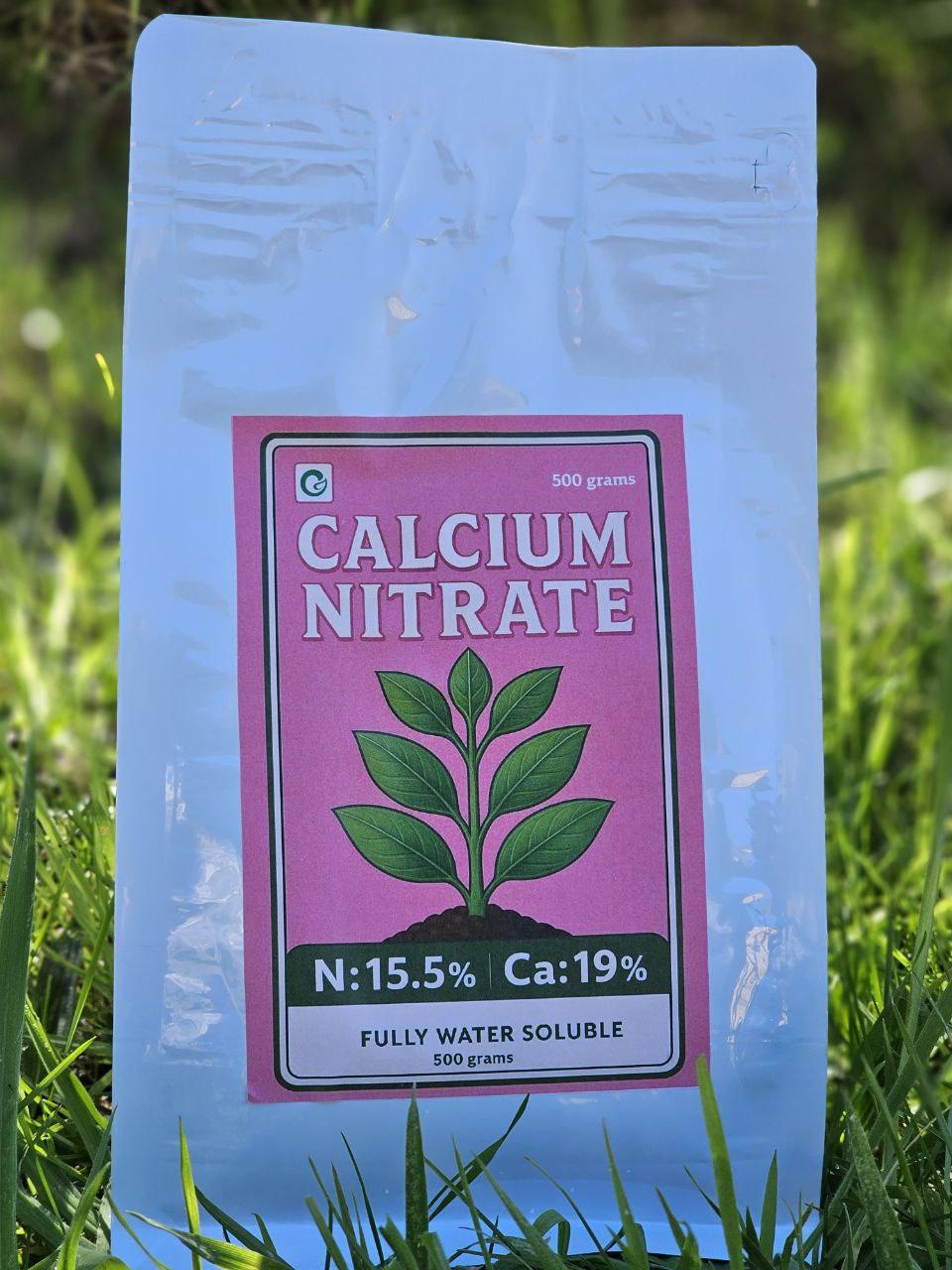
Synthetic nitrogen fertiliser skips most of that queue. Calcium nitrate supplies its nitrogen mostly as nitrate already. Once it dissolves, roots can take it up. No microbes required.
Urea fertiliser needs one quick step. Urease, an enzyme that’s common in soil, converts urea to ammonium, usually within days in warm, moist conditions. From there, that ammonium follows exactly the same path as ammonium released from manure. Plants absorb some of it directly, and microbes convert the rest to nitrate.
Here’s the irony. Chemically, urea is an organic molecule, the same compound mammals pass in their urine. That’s partly why the old backyard habit of weeing on the lemon tree actually feeds it. In 1828 the chemist Friedrich Wöhler made urea in a lab from non-living ingredients, and it was identical to the natural version. Certified organic standards exclude synthetic urea because of how it’s made, not what it is.
Most synthetic nitrogen comes from the Haber–Bosch process, which combines nitrogen from the air with hydrogen, usually made from natural gas. It’s energy-hungry, and that’s a fair criticism. But it’s a criticism of the factory, not the nitrogen.
Which brings us to the part most people miss. Most of the nitrogen in your garden was originally pulled out of the air, whichever bag it arrived in. Air is about 78% nitrogen gas, which plants can’t use until it’s “fixed” by bacteria (including those in legume root nodules), by lightning, or by a factory. Even chook manure fits the pattern. The chickens ate grain and oilseed meal grown with fertiliser, legume-fixed nitrogen, or both. The line between “natural” and “factory” nitrogen is blurrier than the labels suggest.
Do plants know the difference between organic and synthetic fertiliser?
No, not at the root. A nitrate ion made by microbes from compost is chemically identical to a nitrate ion from a bag of fertiliser. The root has no way to check its history, and no reason to.
What plants do respond to is form, amount and timing. Is the nitrogen there as nitrate or ammonium? Is there enough of it, or too much? Does it arrive while the plant is actively growing? Those three questions explain almost every difference gardeners notice between organic and synthetic feeding.
Form matters far more than origin. Most vegetables grow happily on plenty of nitrate. Blueberries don’t. They prefer ammonium, and nitrate fertilisers can injure them. In the acidic soil blueberries need, urea and organic feeds both break down to ammonium, so either suits them. Calcium nitrate doesn’t. That’s a question of form, not an organic vs chemical fertiliser question.
One curious footnote. Nitrogen has two stable isotopes: ordinary nitrogen-14 and a little heavier nitrogen-15. Synthetic fertilisers are made from air, so their isotope ratio sits close to air’s. Manures and composts usually carry extra nitrogen-15, because lighter atoms escape more readily as ammonia gas during breakdown. A large compilation of fertiliser measurements confirmed the pattern, and scientists now use it, with caveats, to help check organic produce claims.
That doesn’t mean the plant grew differently. Each atom is identical to others of its kind; a batch just carries a faint fingerprint. There’s a twist, too: legume green manures, a staple of organic growing, carry the same air-like signature as synthetic fertiliser, because both got their nitrogen straight from the atmosphere.
Is organic nitrogen better for plants?
Not in itself. The nitrogen isn’t better. The package around it is different, and the package matters. So what is the difference between organic and synthetic fertiliser? Mostly speed, predictability, and what comes along with the nitrogen.
| Feature | Organic (compost, manure, blood and bone) | Synthetic (urea, calcium nitrate) |
|---|---|---|
| Where the nitrogen is | Mostly locked in organic matter | Already nitrate, or becomes ammonium within days |
| Needs soil microbes first? | Yes, for most of it | No for nitrate; only briefly for urea |
| Speed | Weeks to months, depending on the material and soil temperature | Hours to days |
| Predictability | Varies with weather and soil life | Consistent and easy to measure |
| Adds organic matter | Yes, especially bulky compost and manure | No |
| Burn risk | Low for compost; fresh manure can burn | Higher if overused or placed against roots |
| Leaching risk | Real, if nitrate is released when plants aren’t growing | Real, if overapplied or followed by heavy watering |
| Effect on soil pH | Varies with the material | Urea and ammonium forms acidify over time; nitrate forms don’t |
| Best at | Building soil and long-term fertility | Fixing deficiencies and precise, timed feeding |
When people argue organic nitrogen vs synthetic nitrogen, they’re usually arguing about speed without realising it. Organic fertilisers release nitrogen gradually because microbes do the releasing. That makes them forgiving. It’s hard to burn a plant with finished compost.
The catch is that microbes don’t follow your plant’s schedule. They follow the weather. Release slows in cold soil, often just when spring seedlings are hungry, and speeds up in warm, moist soil, including after many crops have finished. Oregon State notes that nitrate released in late summer and autumn often goes unused and can leach over winter.
Synthetic fertiliser is fast and measurable. You know how much nitrogen you’re applying and can time it to match growth. The flip side is that it’s easy to overdo, and too much can scorch roots, push soft, sappy growth that aphids love, and wash nitrate into groundwater.
Leaching isn’t a synthetic-only problem, though. Nitrate carries a negative charge, most soils don’t hold it well, and it moves with water whatever its origin. A meta-analysis of European studies found organic farms tended to leach less nitrogen per hectare, but not per tonne of food, because organic yields were usually lower. Management choices, the authors stressed, drove many of the impacts.
Is synthetic fertiliser bad for soil?
It depends on how it’s used. Some criticisms hold up. Others don’t.
It can acidify soil. When ammonium from urea or ammonium-based fertiliser is converted to nitrate, acid is released. If plants take up the nitrate, part of that acid is cancelled out. If the nitrate washes away, the acid stays behind. Agriculture Victoria lists nitrate leaching and some nitrogen fertilisers among the main causes of soil acidity. Nitrate-based fertilisers such as calcium nitrate are the least acidifying and can even nudge pH up around roots.
What rarely gets mentioned: ammonium released from manure or compost goes through the same acid-releasing conversion, though many organic materials carry some alkalinity that offsets part of it. In a home garden, a pH test every year or two catches any drift, and garden lime corrects it.
It can burn roots when overused. Fertilisers are salts, and too much at once makes it harder for roots to take up water. In pots, salts also build up unless you water deeply enough to flush them through now and then.
It doesn’t kill soil life, at least not when used sensibly. This is where the internet gets it most wrong. A review of 64 long-term field trials found that plots given mineral fertiliser had, on average, about 15% more microbial biomass than unfertilised plots. The likely reason is simple. Better-fed crops grow more roots and leave more residue, and that’s food for microbes. There were exceptions. Where fertiliser had pushed soil pH below 5, microbial biomass tended to fall, and conditions right around a dissolving urea granule can be briefly harsh. Manure generally does more for soil life than fertiliser alone.
It doesn’t build much organic matter. Fertiliser contains no carbon. At Rothamsted in England, the Broadbalk experiment has grown wheat on the same field since 1843. Decades of farmyard manure roughly tripled soil carbon on some plots. Fertilised plots gained some carbon too, because bigger crops left more stubble and roots. Both approaches have kept yields up for nearly two centuries, with lime added along the way to manage acidity.
So here’s the fair verdict. Synthetic fertiliser isn’t poison for soil. But a garden that only ever gets fertiliser, with nothing organic going back in, tends to run down its organic matter over time. Not because of the fertiliser. Because of what’s missing.
What organic matter does that fertiliser can’t
This is the strongest argument for organic fertilisers, and it isn’t really about nitrogen. Organic matter binds soil particles into crumbs, so water soaks in and roots can breathe. It holds water like a sponge, which counts for a lot in an Australian summer. It holds nutrients on its surfaces so they don’t wash straight through. And it feeds the fungi, bacteria and earthworms that keep nutrients cycling. No bag of mineral fertiliser does any of that.
So feed the soil with bulky organic matter: compost, well-rotted manure, mulch, and plenty of living roots. Then feed the plants precisely.
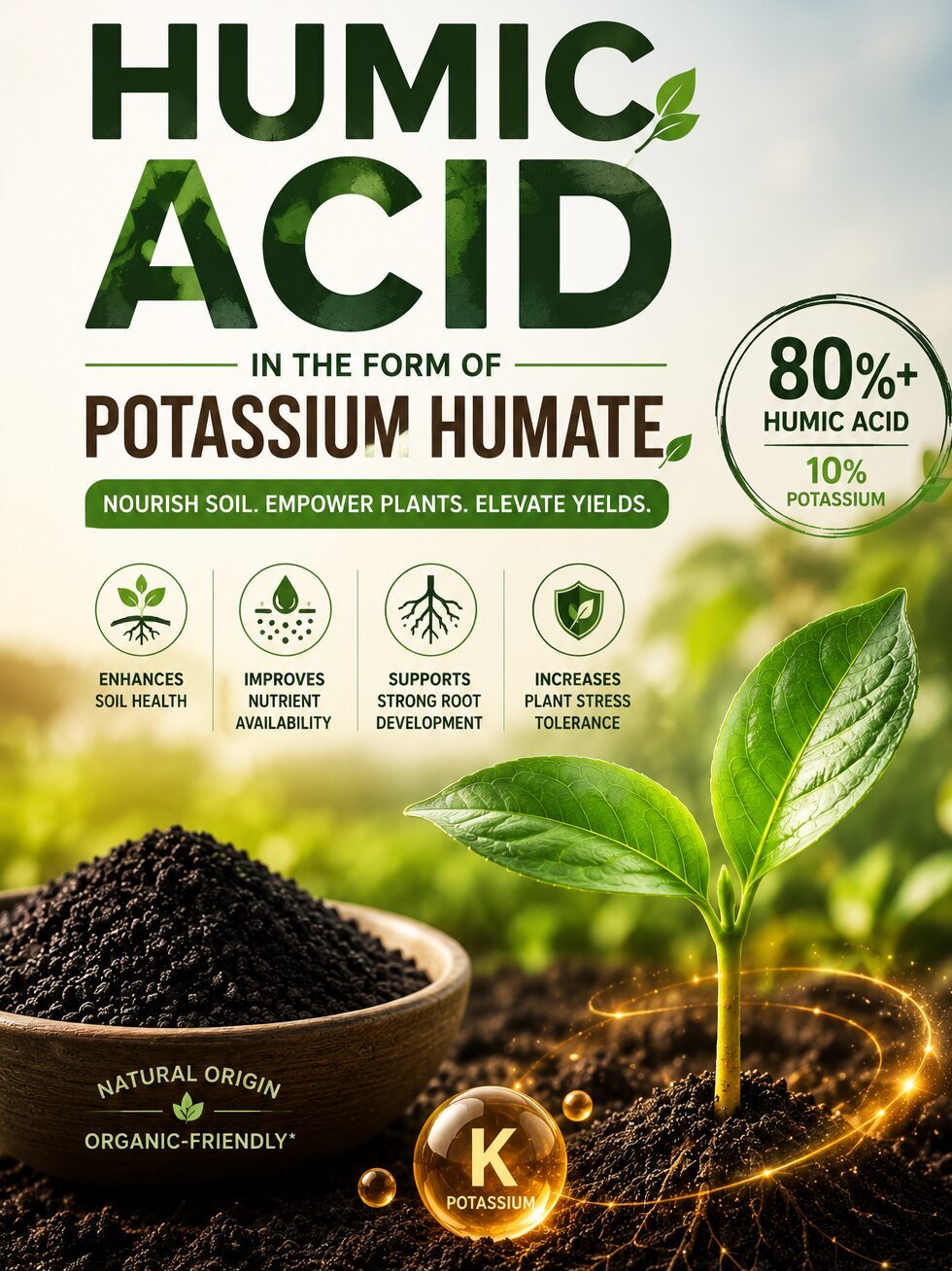
If you want to go further, humic acid is a popular soil conditioner, and we sell a Humic Acid powder. Use it alongside organic matter, not instead of it. A Monash University-led review found humic products improved plant growth on average, especially in stressed plants, but results varied a lot with product, rate and conditions. Treat it as a helper for your compost, not a substitute.
Match the nitrogen to the job
Once you stop treating this as a loyalty test, the practical choices get easier.
Cold soil, pale seedlings. In early spring, microbes are slow and pale seedlings often need nitrogen they can use straight away. Nitrate is the one form that doesn’t wait on anything. Our Calcium Nitrate supplies nitrogen mostly as nitrate, plus calcium, and dissolves readily for watering in. Cold roots are slow too, so don’t expect miracles, but nitrogen won’t be the bottleneck. Stick to label rates, and skip it for blueberries.
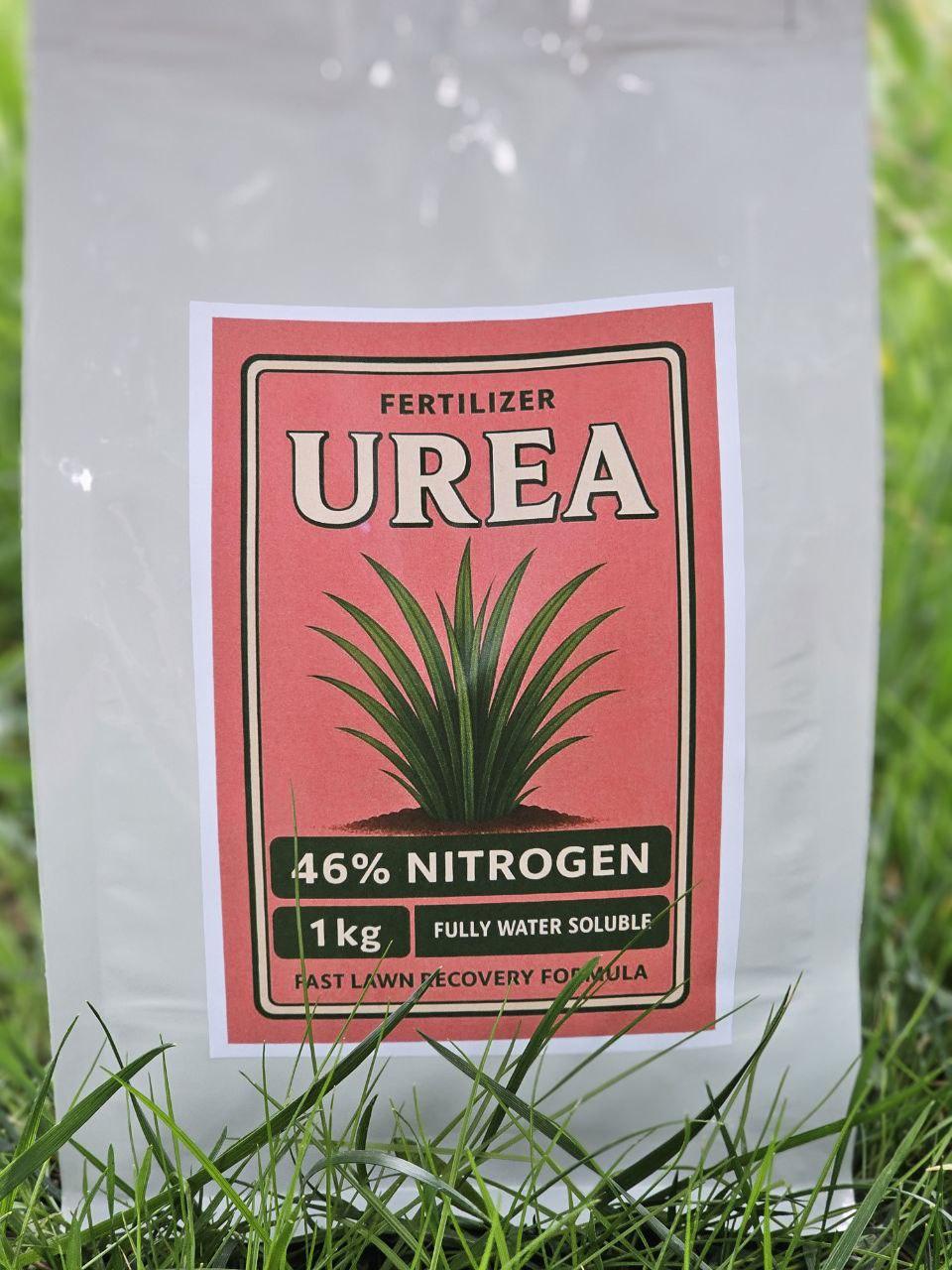
Lawns and leafy growth. Urea is the most concentrated solid nitrogen fertiliser you can buy, at 46% nitrogen, which makes it efficient for lawns, leafy greens and hungry citrus in spring. The trick is watering it in. Left on damp soil or grass as it dries, urea can lose nitrogen to the air as ammonia. Australian field measurements found average losses of about 8–12% when broadcast urea wasn’t incorporated, and more in poor conditions. Montana State University research found it took about 12 mm of water in one go to move urea safely into the soil; light, patchy rain could make losses worse. If you’re using our Urea, start with the application advice in our urea guide.
Veggie beds. Dig in compost before planting, then use targeted feeds through the season. Leafy crops like lettuce and silverbeet want steady nitrogen. Fruiting crops like tomatoes need less once they start flowering, and more potassium. Our guide on when plants actually need high-potassium fertiliser covers that switch.
Natives. Organic doesn’t automatically mean gentle. Blood and bone and poultry manure both contain plenty of phosphorus, and many Australian natives, especially grevilleas, banksias and hakeas, are sensitive to it. Choose a low-phosphorus fertiliser made for natives, and use it lightly.
The atom doesn’t care. Your soil does.
Your plants can’t tell organic nitrogen from synthetic. They respond to form, amount and timing. Your soil, on the other hand, can tell the difference between a garden that gets organic matter back and one that doesn’t.
So let the atom off the hook. Feed the soil with organic matter. Feed the plant the right form of nitrogen, at the right time, in the right amount. That isn’t a compromise between two camps. It’s simply how nitrogen works.
Not sure what your plants are short of? Try our Leaf Scan AI, or use Find My Fertiliser to narrow down the right product.
Sources and further reading
- Näsholm T, Kielland K, Ganeteg U (2009). Uptake of organic nitrogen by plants. New Phytologist.
- Sullivan DM et al. (2019). OSU Organic Fertilizer and Cover Crop Calculator: Predicting Plant-available Nitrogen (EM 9235). Oregon State University Extension.
- Extension Foundation. Blueberry fertilization.
- Bateman AS, Kelly SD (2007). Fertilizer nitrogen isotope signatures. Isotopes in Environmental and Health Studies.
- Mie A et al. (2022). Fertilizer type affects stable isotope ratios of nitrogen in human blood plasma. Journal of Agricultural and Food Chemistry.
- Tuomisto HL et al. (2012). Does organic farming reduce environmental impacts? A meta-analysis of European research. Journal of Environmental Management.
- Agriculture Victoria. Soil acidity.
- Fertiliser Technology Research Centre, University of Adelaide. Fertilizers and soil acidity.
- Department of Primary Industries and Regional Development, WA. Causes of soil acidity.
- Geisseler D, Scow KM (2014). Long-term effects of mineral fertilizers on soil microorganisms: a review. Soil Biology and Biochemistry.
- Rothamsted Research. Broadbalk wheat experiment review.
- Rose MT et al. (2014). A meta-analysis and review of plant-growth response to humic substances. Advances in Agronomy.
- Schwenke G (2021). Nitrogen loss pathways: how much N is lost when urea is not incorporated? GRDC Update Paper.
- Montana State University. Urea volatilization research: what we learned.