
If you’ve been comparing fertilisers, you’ve likely seen the terms “organic” and “organic-friendly” used across different products. While they sound similar, they are not the same, so choosing the right one can make a significant difference in plant health, soil quality, and overall results.
This guide breaks down the real differences between organic and organic-friendly fertilisers, helping you make informed decisions and get the best performance from your growing setup.
🌱 What Is an Organic Fertiliser?
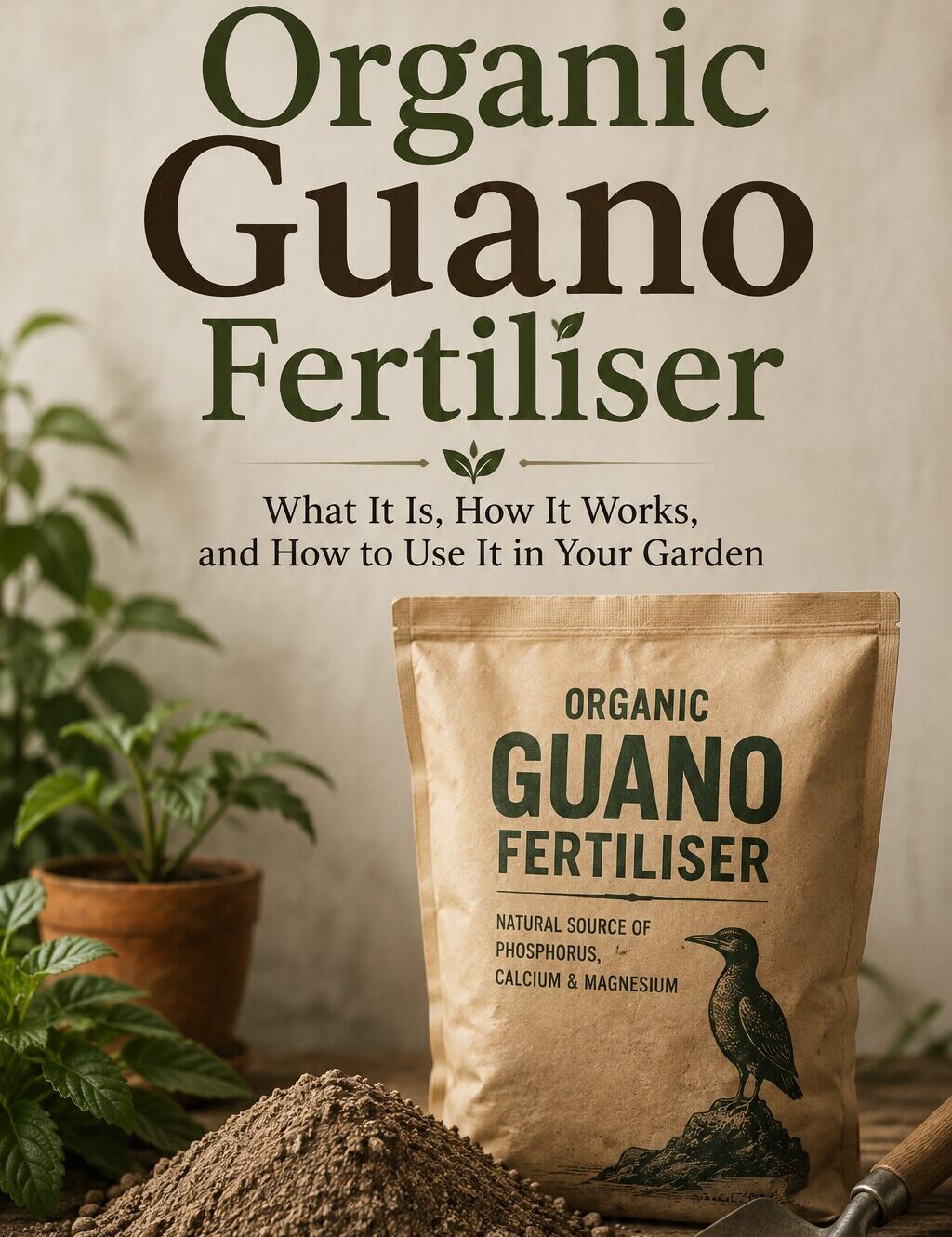
An organic fertiliser is made from natural sources such as plant material, animal by-products, or naturally occurring minerals. These inputs are typically minimally processed and work by feeding the soil ecosystem rather than directly feeding the plant.
Common Organic Fertilisers:
- Compost and manure
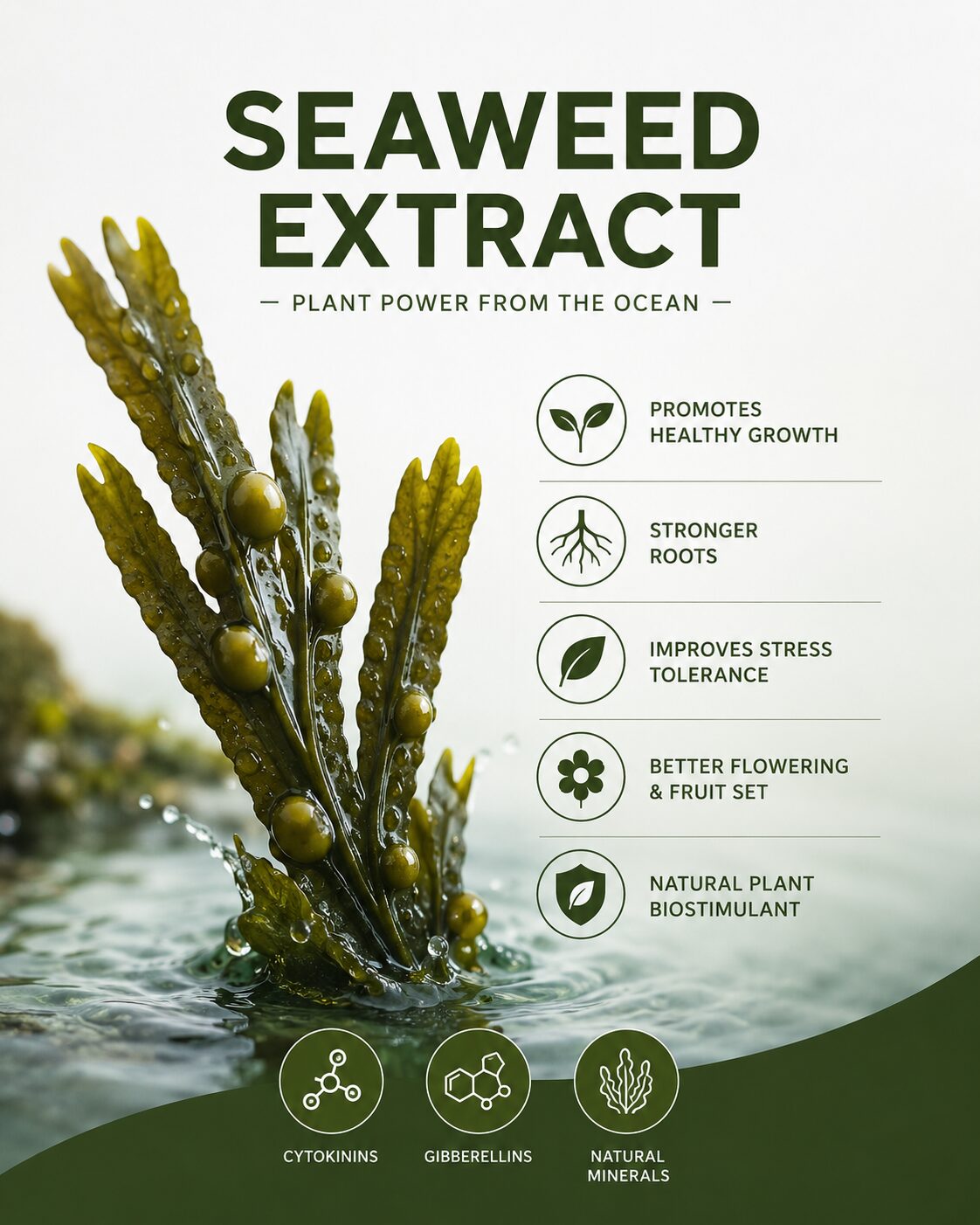
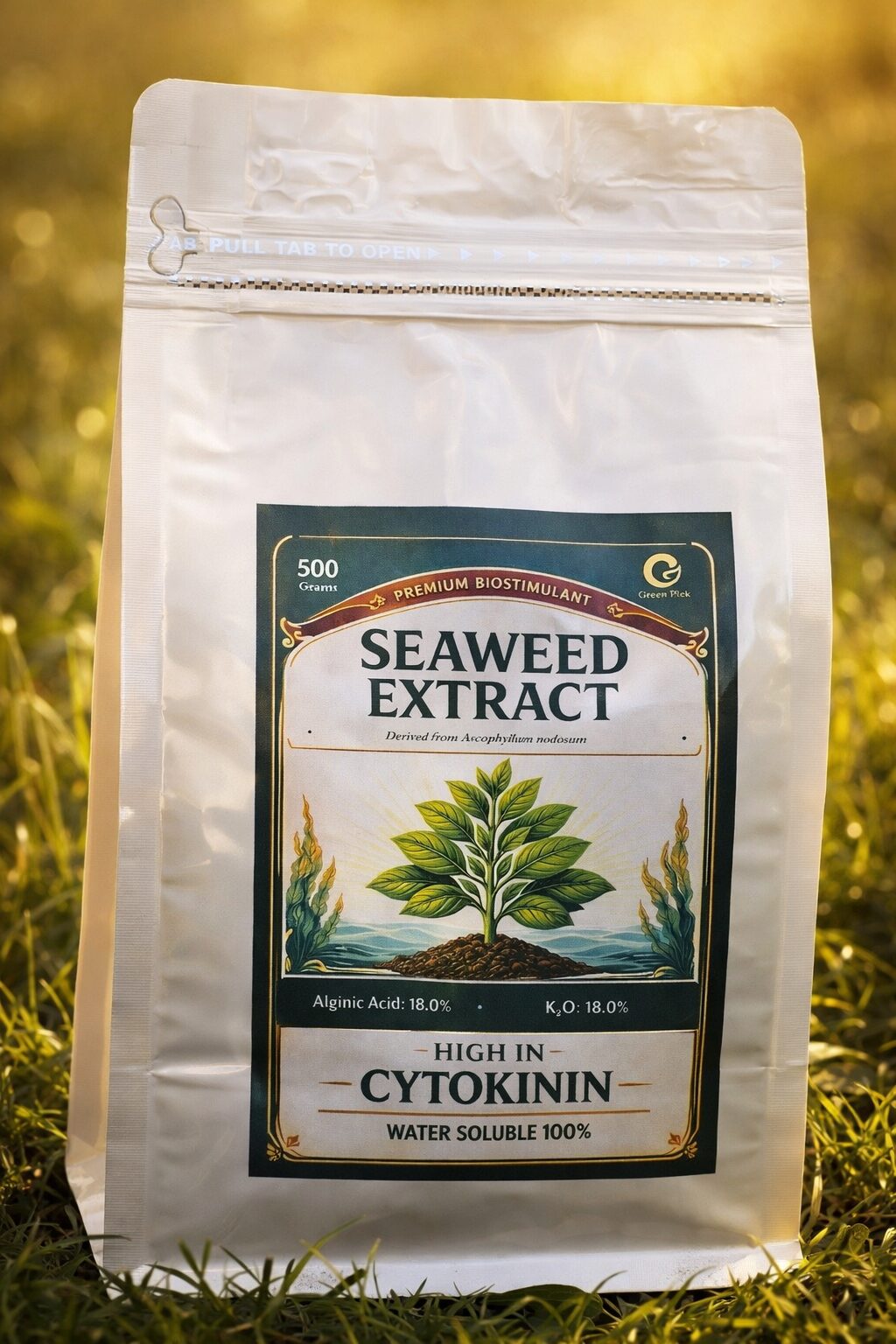
- Seaweed and kelp (meal or minimally processed extract)
- Bone meal and blood meal
- Rock minerals (natural, unrefined)
Benefits of Organic Fertilisers:
- Improve soil structure and microbial life
- Provide slow, steady nutrient release
- Reduce the risk of nutrient burn
- Support long-term soil fertility
Organic fertilisers are ideal for growers focused on soil health, sustainability, and certified organic practices.
🌿 What Does Organic-Friendly Mean?
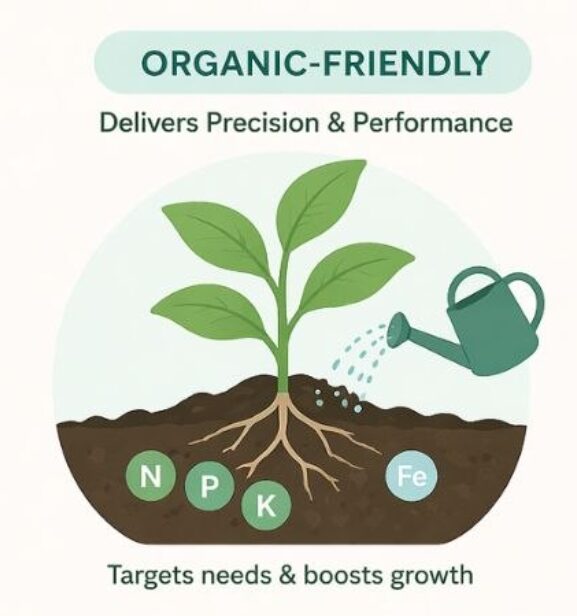
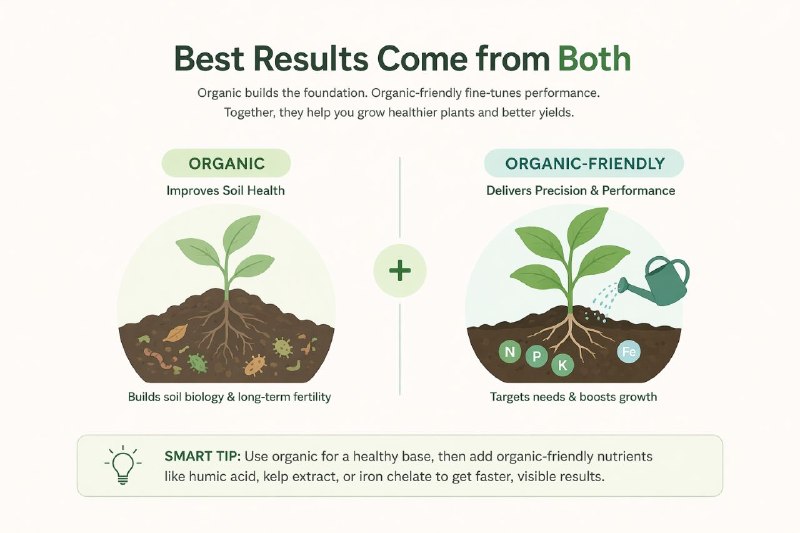
Organic-friendly fertilisers (also called organic-compatible) are products that may not meet formal organic certification standards but are still widely used in sustainable and soil-conscious growing systems.
These fertilisers often include refined mineral nutrients or naturally derived compounds that have been processed for better solubility and precision.
Common Organic-Friendly Fertilisers:
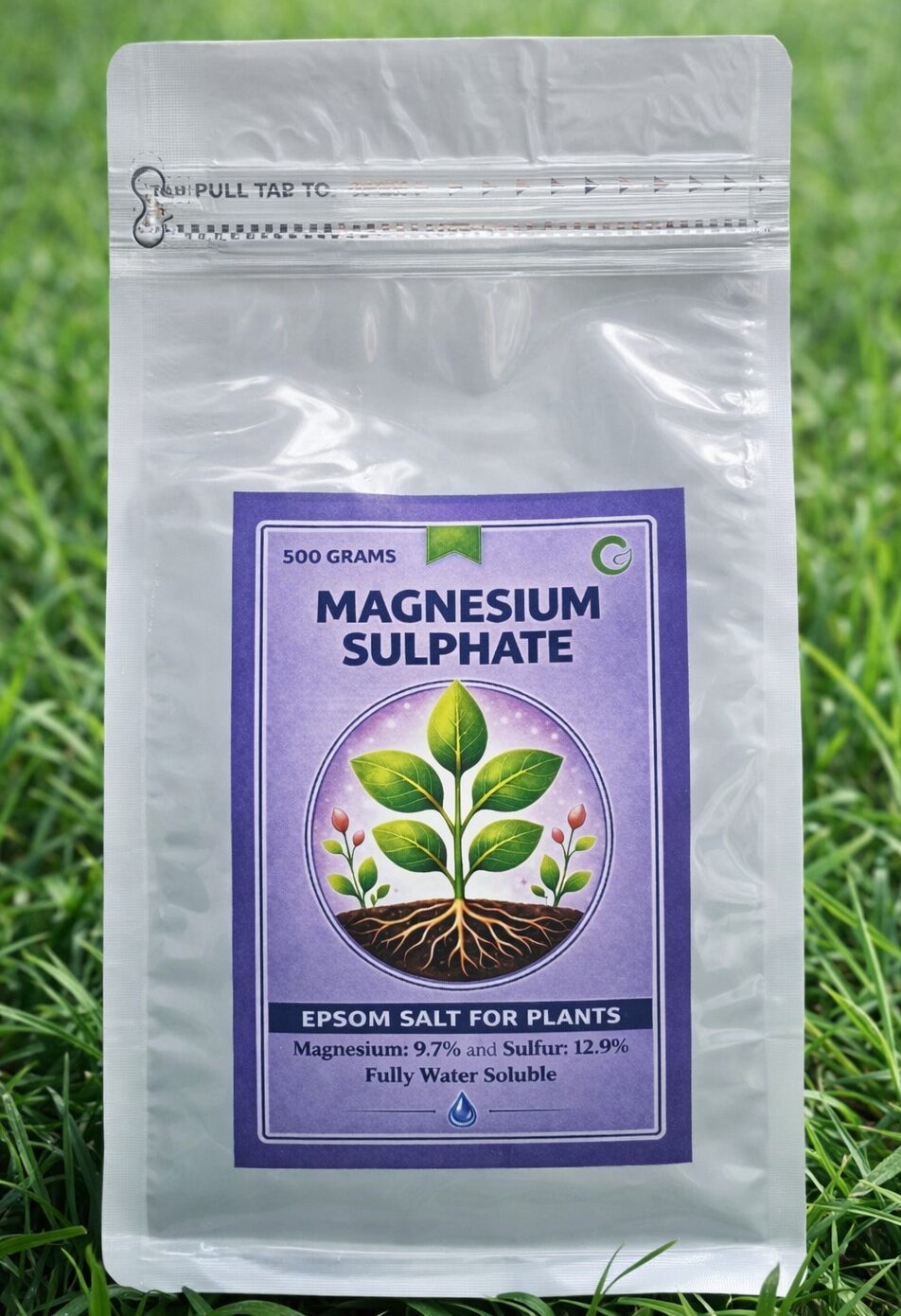
- Magnesium sulphate (Epsom salt)
- Potassium sulphate (SOP)
- Iron chelates
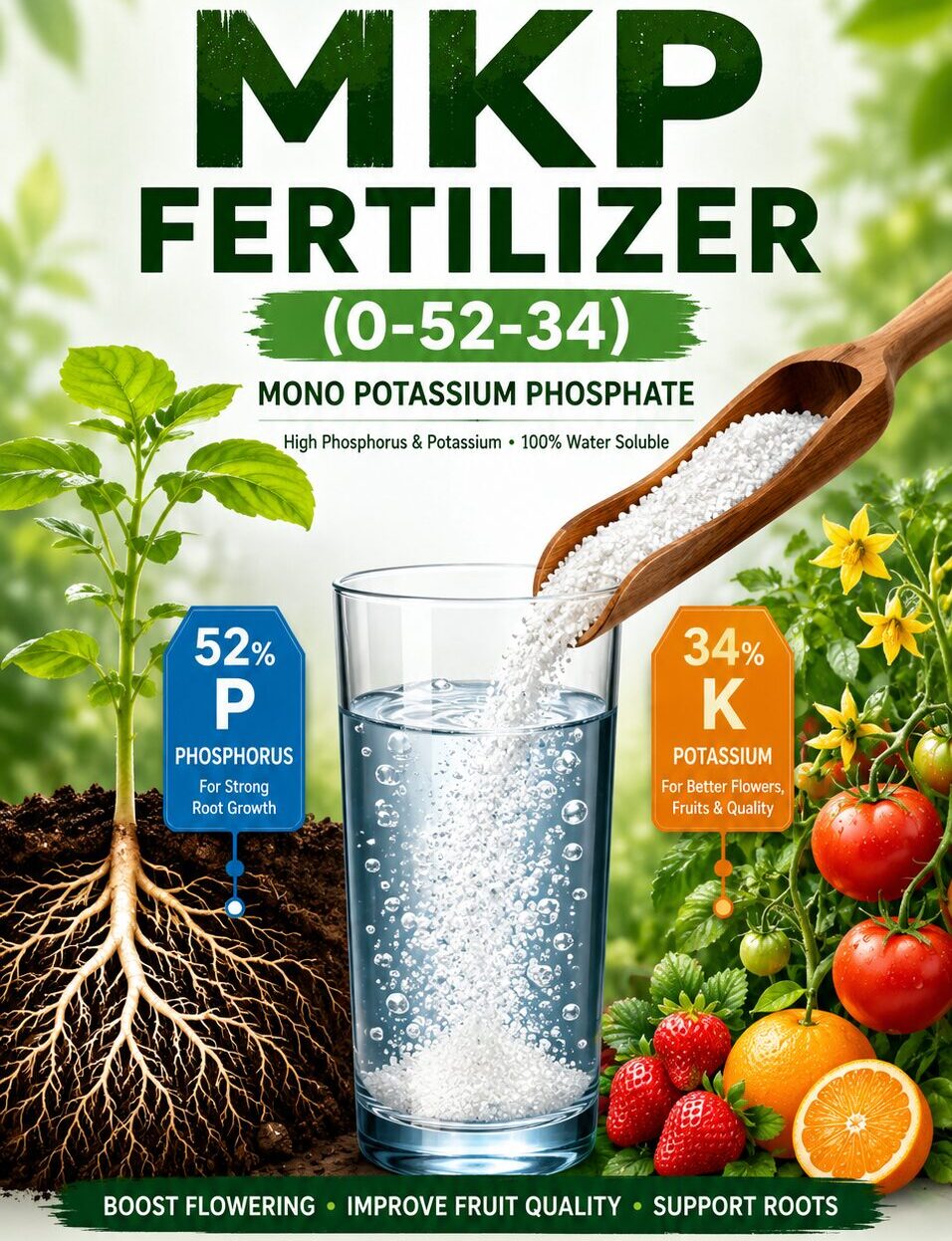
- Water-soluble NPK fertilisers
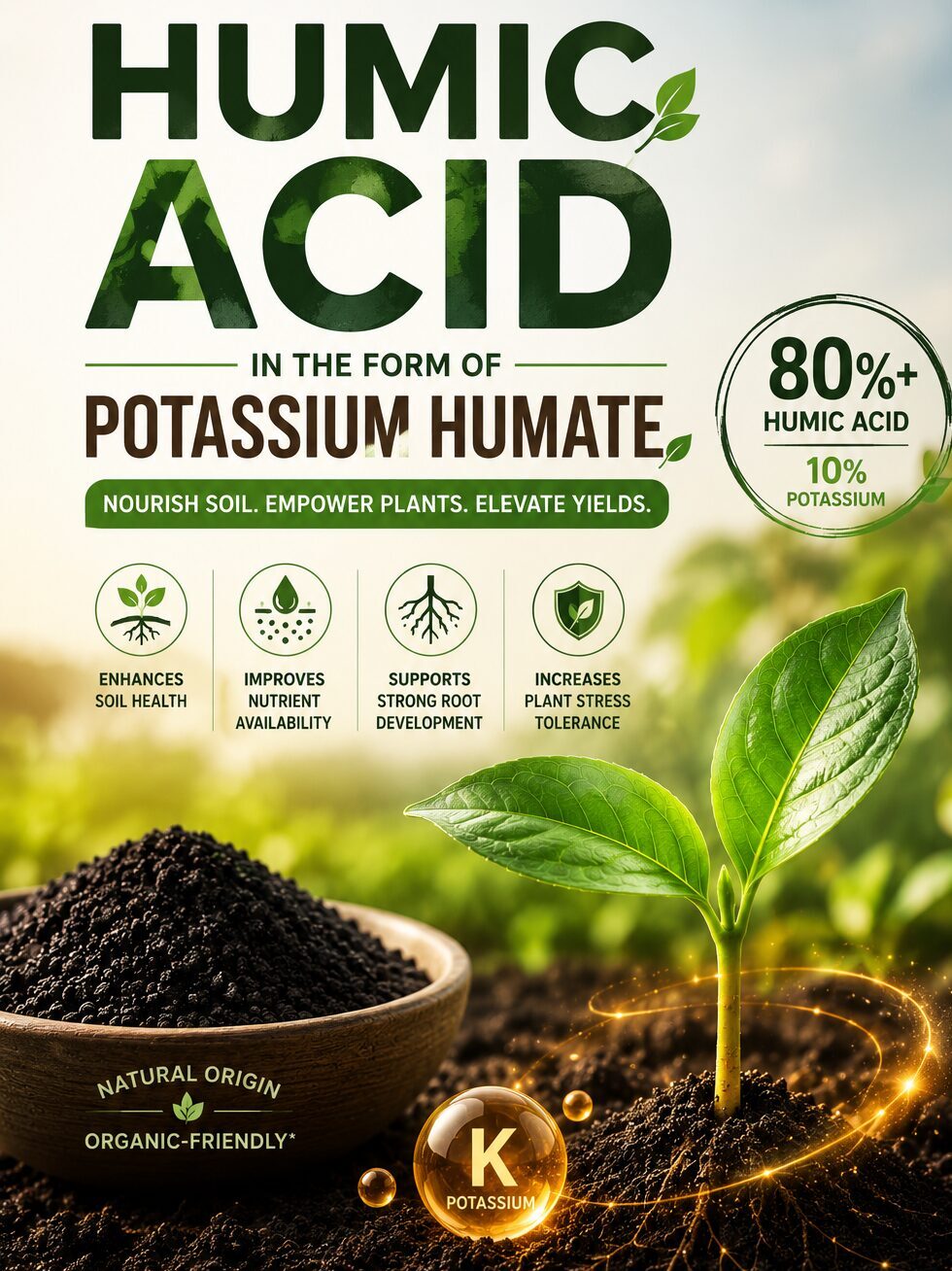
- Humic acid
👉 Some inputs, like kelp extract, can fall into either category, depending on how they are processed and whether they are certified organic.
Benefits of Organic-Friendly Fertilisers:
- Fast, targeted nutrient delivery
- Easy to measure and apply
- Highly efficient nutrient uptake
- Compatible with soil biology when used correctly
- Ideal for correcting deficiencies quickly
Organic-friendly fertilisers are best for growers who want precision feeding and fast results without significantly impacting soil health.
⚖️ Organic vs Organic-Friendly: Quick Comparison
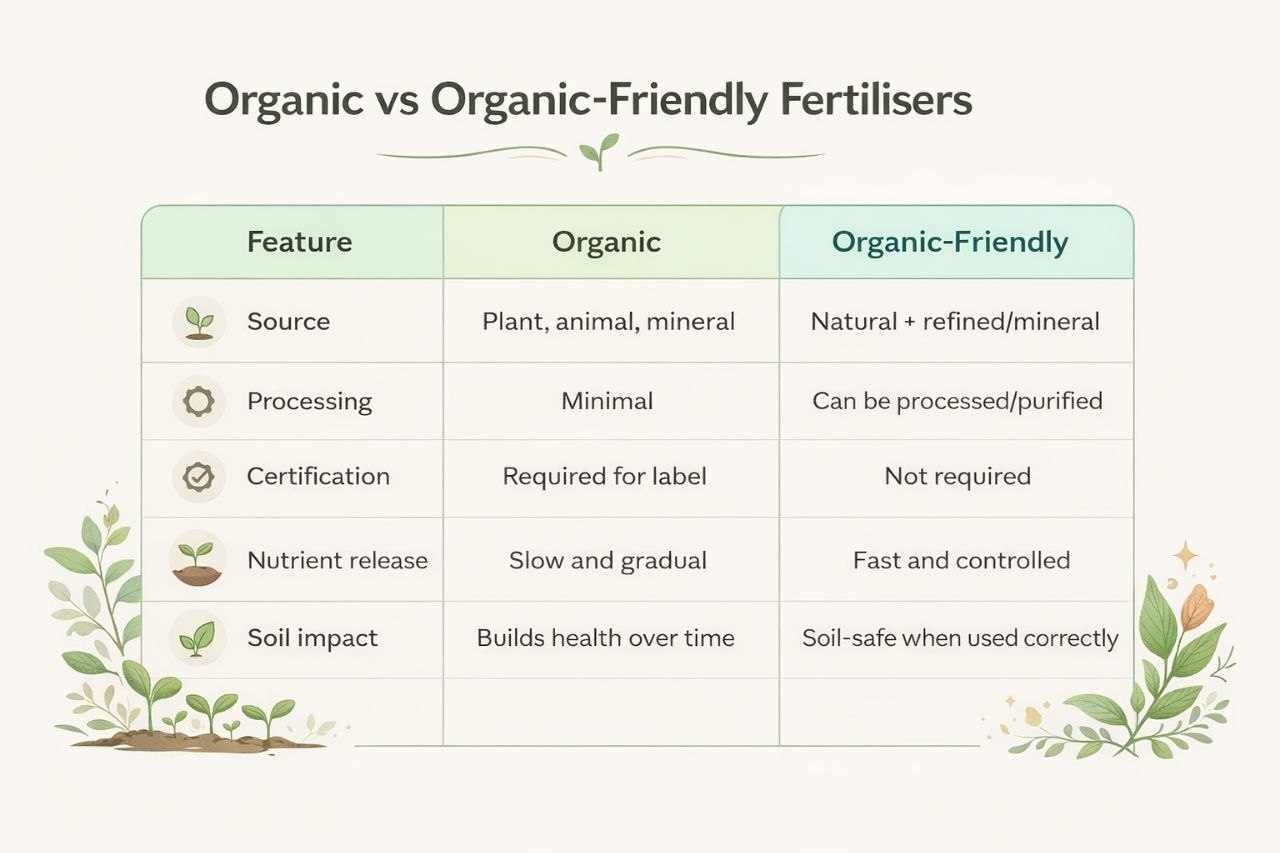
| Feature | Organic Fertiliser | Organic-Friendly Fertiliser |
|---|---|---|
| Certification | Required to claim “organic” | Not required |
| Source | Natural (plant, animal, mineral) | Natural + refined minerals |
| Processing | Minimal | Processed or purified |
| Nutrient Release | Slow and gradual | Fast and controlled |
| Precision | Lower | High |
| Soil Impact | Builds soil over time | Generally soil-safe when used properly |
🌾 Organic vs Synthetic Fertilisers (Where Organic-Friendly Fits)
It’s important to understand that organic-friendly fertilisers sit between organic and fully synthetic fertilisers.
- Organic fertilisers → Focus on soil building
- Organic-friendly fertilisers → Balance soil health and performance
- Synthetic fertilisers → Focus on fast plant feeding only
This middle-ground approach is why many growers now combine both organic and organic-friendly inputs.
🌱 Key Organic-Friendly Inputs Explained
Understanding how specific inputs work can help you use them more effectively:
Magnesium Sulphate (Epsom Salt)
A fast-acting source of magnesium and sulphur. It supports chlorophyll production and improves leaf greening, which makes it ideal for correcting magnesium deficiencies.
Potassium Sulphate (SOP)
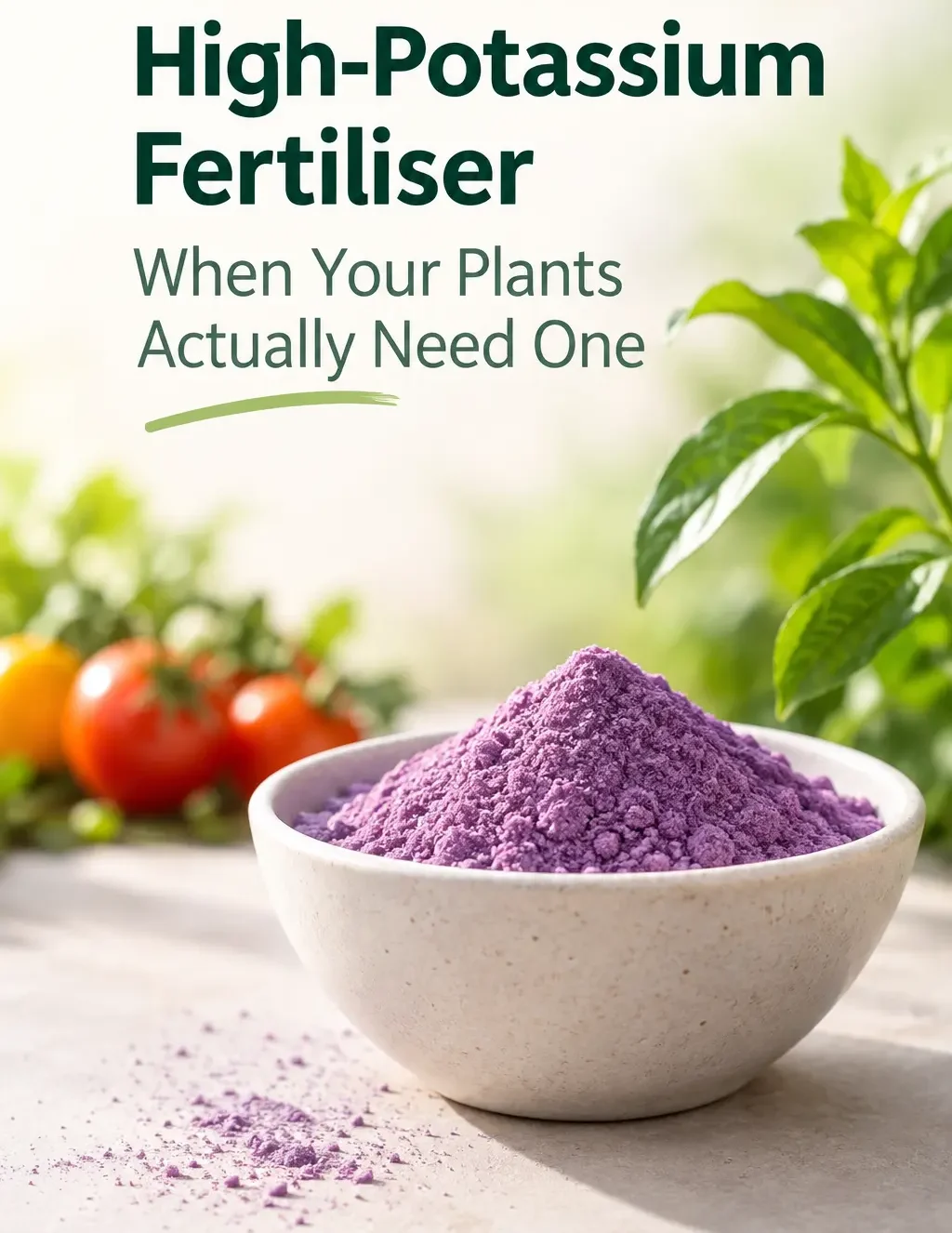
Provides potassium without adding chloride, making it suitable for sensitive plants. It supports flowering, fruiting, and overall plant strength.
Iron Chelates (EDTA / EDDHA)
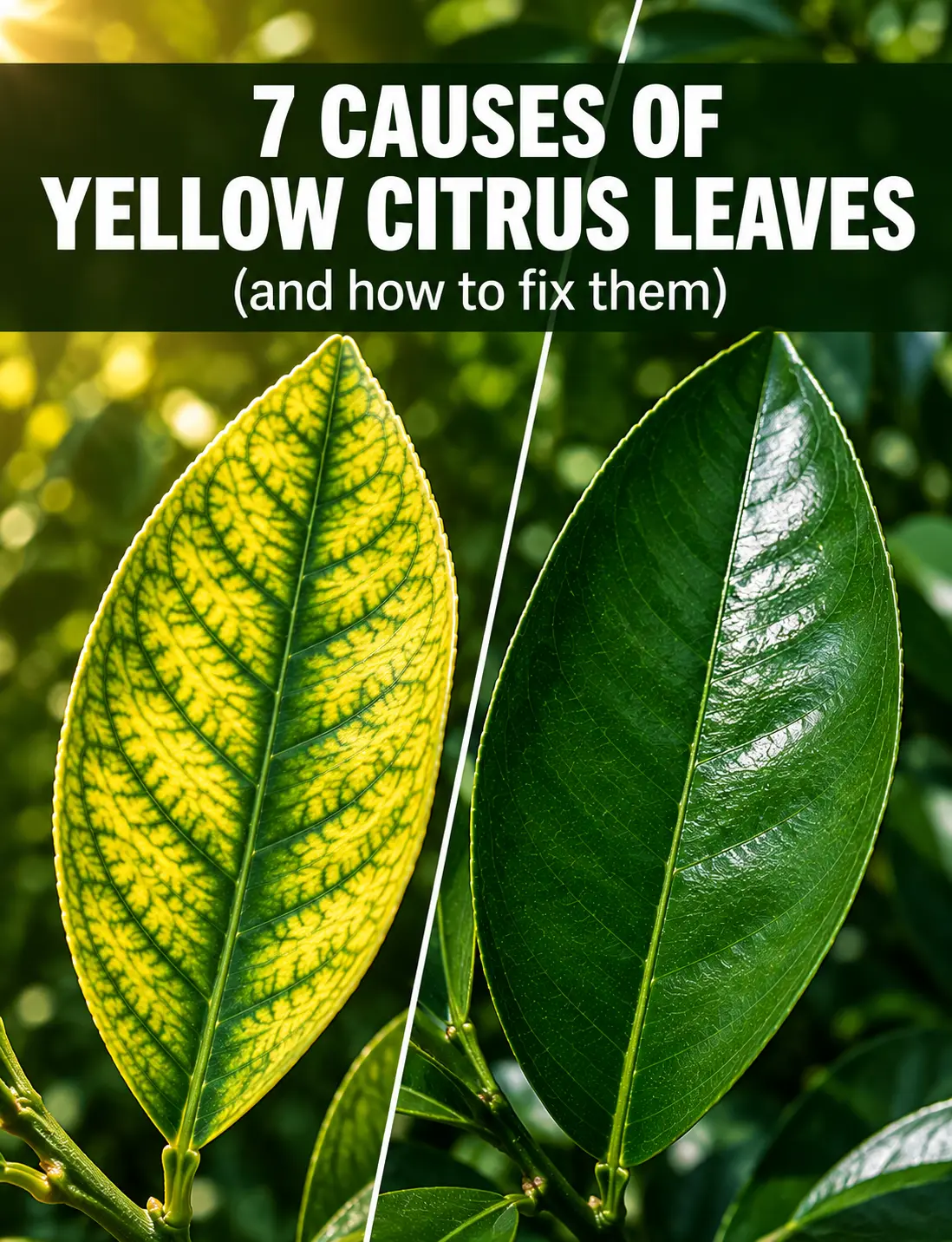
Used to correct iron deficiencies, especially in alkaline soils where iron becomes unavailable. Helps prevent yellowing (chlorosis) in young leaves.
Water-Soluble NPK Fertilisers
Highly precise and immediately available nutrients. Ideal for controlled feeding programs and hydroponic or fertigation systems.
Humic Acid
Improves nutrient uptake, enhances soil structure, and stimulates beneficial microbial activity. Often used alongside other fertilisers to boost efficiency.
✅ Which One Should You Choose?
The right choice depends on your growing goals:
- Choose organic fertilisers if your priority is long-term soil health and natural growing systems
- Choose organic-friendly fertilisers if you need fast results and precise nutrient control
- Use a combination of both for the best balance of soil improvement and plant performance
🌿 Final Thoughts
Both organic and organic-friendly fertilisers play an important role in modern gardening and agriculture. Rather than seeing them as competing options, think of them as complementary tools.
By understanding their differences and strengths, you can build a smarter fertilising strategy that delivers healthier plants, better yields, and more sustainable soil over time.