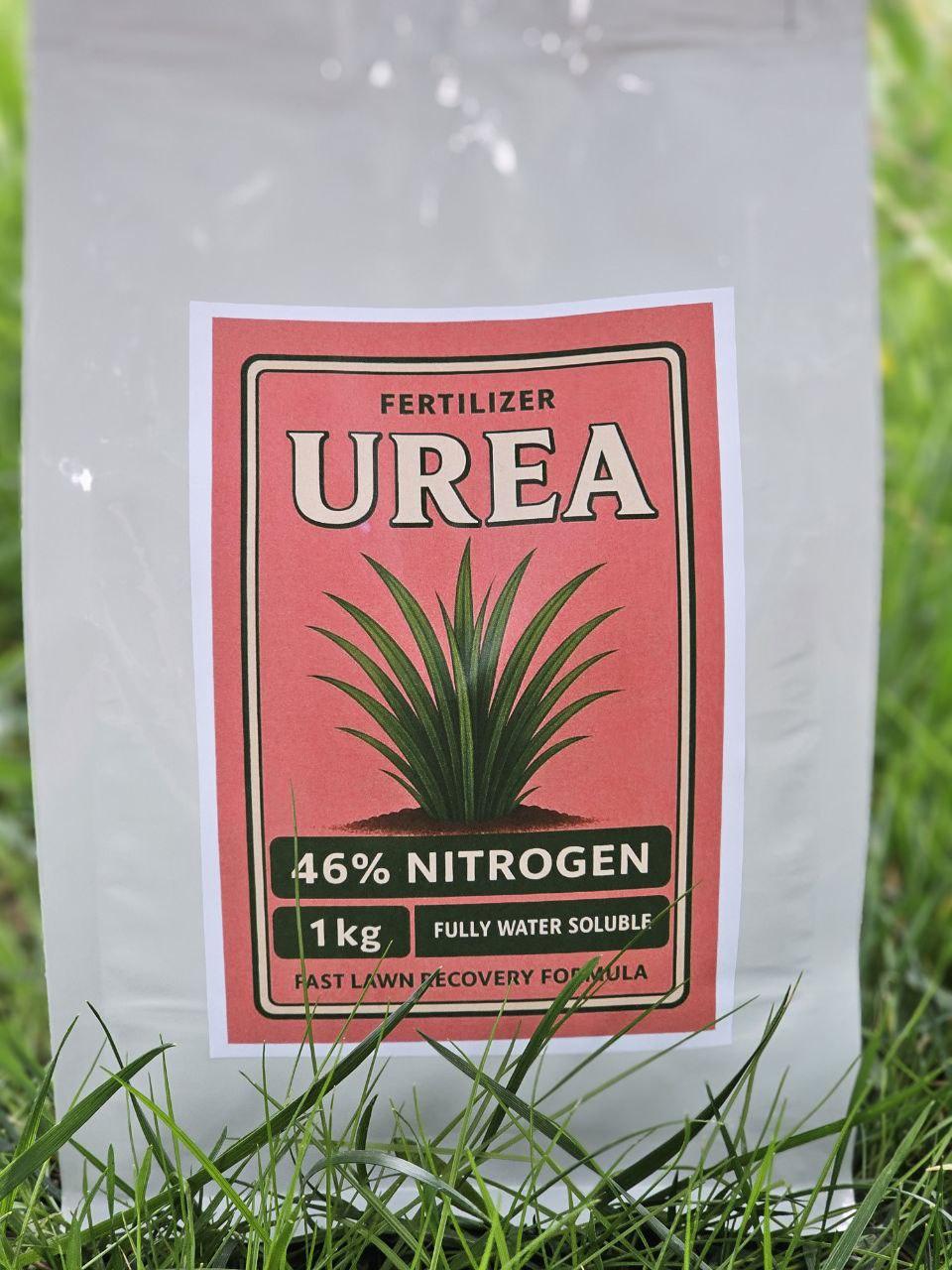

Urea is the most concentrated solid nitrogen fertiliser, at 46% nitrogen. It greens up lawns, leafy vegetables, fruit trees and pastures fast, but it has to be watered in: left on the surface, it loses nitrogen to the air and can burn.
46% Nitrogen (N)Fast Green-UpWater It InFully Water-Soluble
Our Urea comes as free-flowing granules in 1 kg packs. This guide gives you the right rate for lawns, veggie beds, pots, fruit trees and farms, a calculator for your area, and the simple habits that stop it burning or going to waste.
What Urea Does
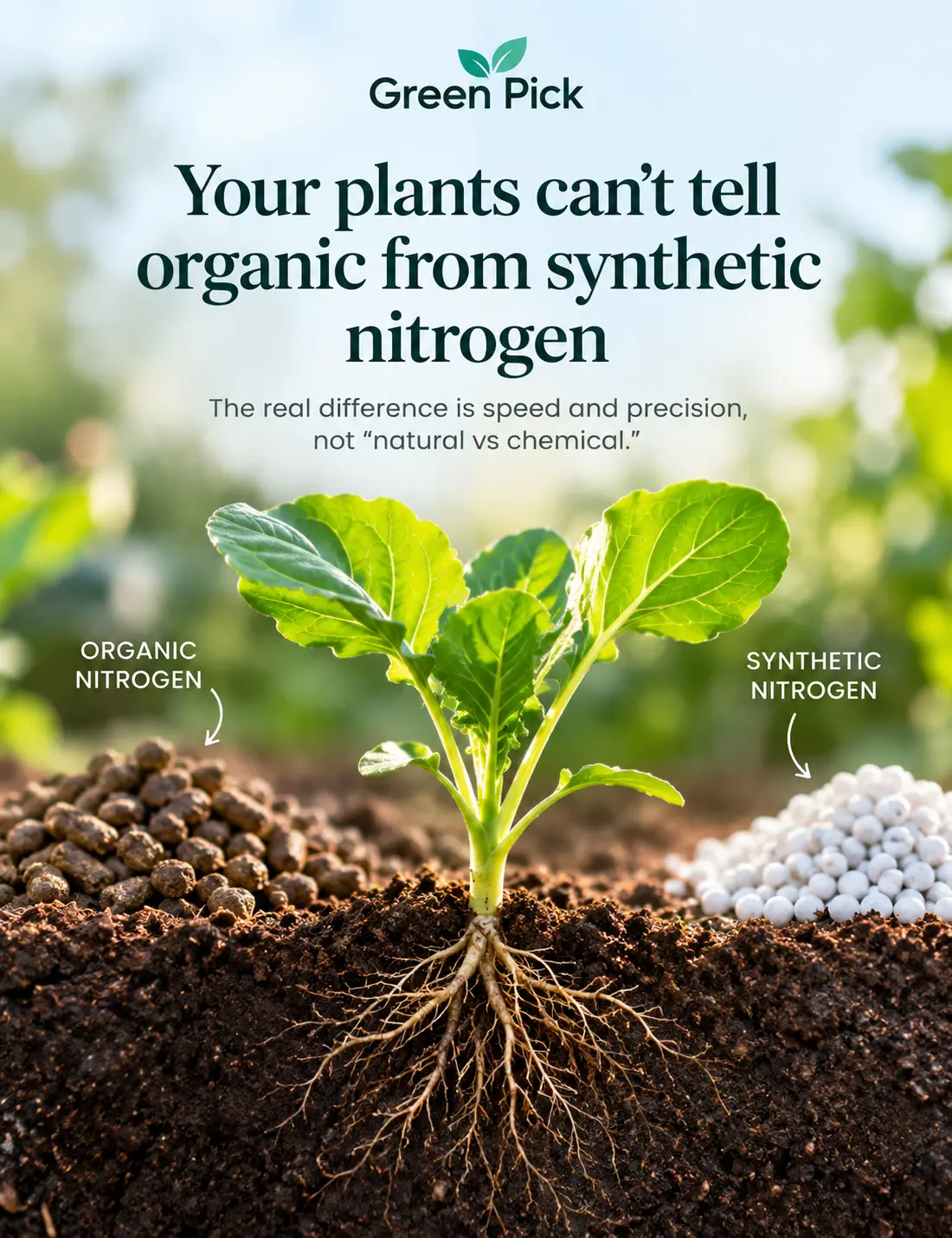
Nitrogen is the nutrient that drives leaf growth and keeps plants green, and urea packs more of it into every gram than any other common solid fertiliser. Once it’s in moist soil, it’s converted to forms roots can use within days. A nitrogen atom from urea is the same as one from blood and bone, as we explain in organic vs synthetic fertiliser. It just arrives faster and costs less per kilo of nitrogen.
- Lawns and turf. The quickest way to bring back colour and density. Our guide to greening up a pale, patchy lawn covers timing and the burn rules.
- Leafy vegetables. Lettuce, spinach, silverbeet, cabbage and other crops grown for their leaves.
- Fruit trees and citrus. Useful for spring and summer growth, but in measured doses.
- Crops and pastures. A cost-effective nitrogen topdressing for cereals and grazing.
- Fixing nitrogen shortage. Evenly pale, slow-growing plants with yellowing older leaves. If the leaves are yellow with green veins, that’s usually iron or magnesium instead, as our yellow leaves guide explains.
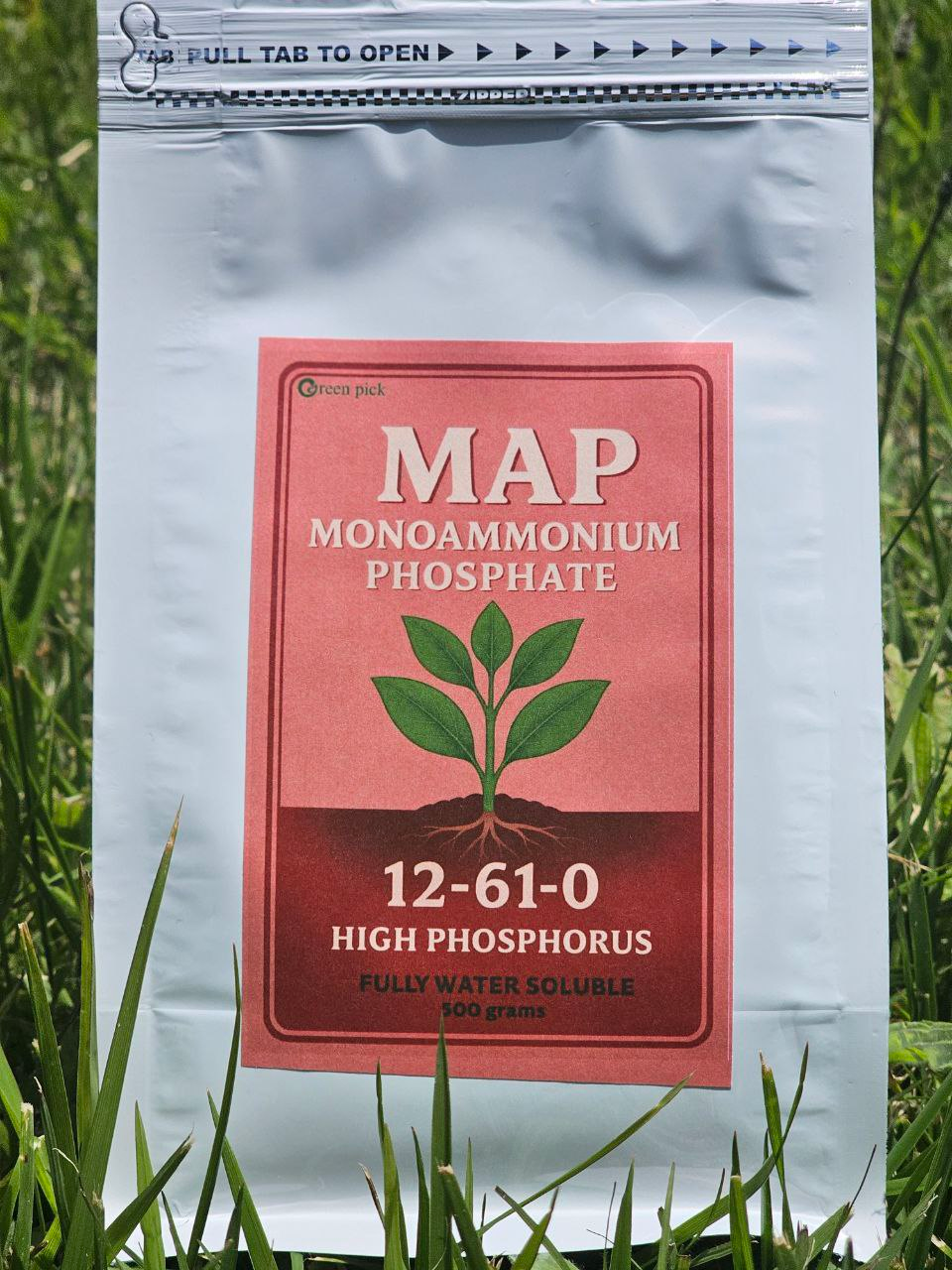
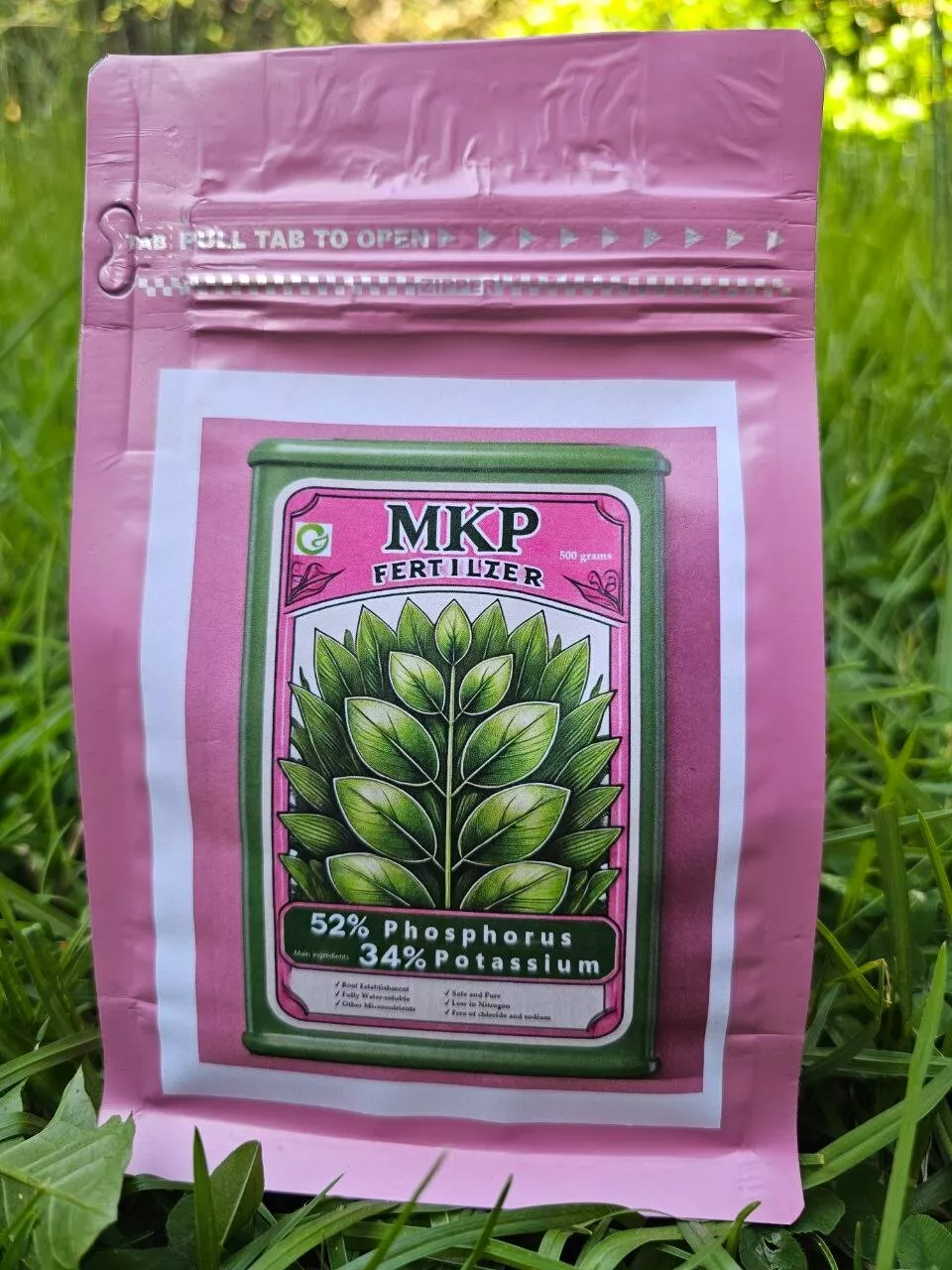
What urea won’t do is push flowers and fruit. Too much nitrogen at flowering means more leaf at the expense of fruit, so for that stage switch to a phosphorus and potassium feed like MKP.
Urea Rates
⚠️ Note: Always water in straight after spreading. Higher dose is not always better. Use half rates for seedlings, newly laid turf and during heatwaves.
| Use | Rate | How to apply | How often |
|---|---|---|---|
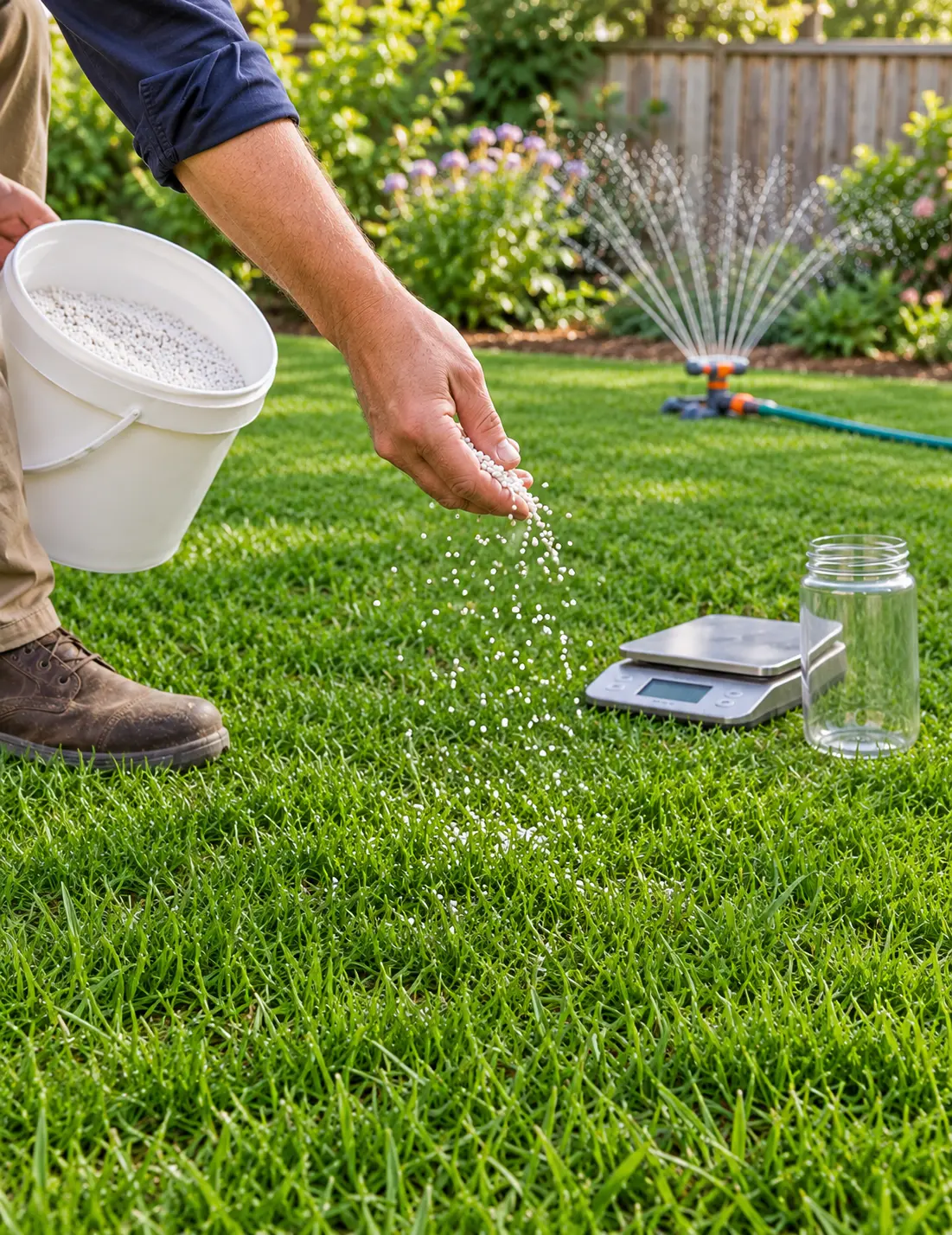
| Lawns | 10 g per m² | Spread on dry grass, half walking one way and half across, then water in straight away | Every 4 to 6 weeks while the grass is growing |
| Vegetable & flower beds | 10 g per m² | Scatter between plants, keep it off leaves and stems, and water in well | Every 3 to 4 weeks while plants are growing |
| Pots & liquid feeding | 2 g per litre of water (20 g in 10 litres) | Water onto moist soil at the base of the plant | Every 2 to 3 weeks during active growth |
| Fruit trees | 150 g per mature tree | Spread from 30 cm out from the trunk to just past the edge of the canopy, then water in | Spring and summer, while the tree is growing |
| Citrus | 50 to 100 g per tree per feed | As for fruit trees. Water in well | During active growth, from spring to late summer |
| Crops & pastures | 40 to 80 kg/ha for crops, 40 to 60 kg/ha for pasture | Topdress before rain or irrigation, never in dry weather. Wait 3 to 4 weeks before grazing | As your crop or pasture program needs |
| Leaf spray (vegetables, farms) | 5 to 10 g per litre (0.5 to 1%) | Spray in the cool of the morning or evening. Use a low-biuret grade on citrus and other evergreen trees | As needed, as a supplement to soil feeding |
The lawn rate is the University of California’s ceiling of no more than 1 pound of nitrogen per 1,000 square feet per feed, which works out to about 10 g of urea per square metre.
How much urea do you need?
Pick how you’re applying it, then slide to your area or the size of your watering can or sprayer.
Lawn or garden bed: 10 g per m², so 500 g for 50 m².
Weigh it on kitchen scales, because a handful isn’t a unit. Vegetables can take a leaf spray of up to 10 g per litre (1%). For a lawn feed with potassium included, use the calculator in our lawn feeding guide.
Stop Urea Burning or Going to Waste
Water it in the same day. Urea left on the surface turns into ammonia gas and drifts away. In Australian field trials, broadcast urea that wasn’t worked into the soil lost an average of 8 to 12% of its nitrogen this way, and up to 29% in poor conditions. Incitec Pivot says 5 to 10 mm of rain in one fall is usually enough to wash it in, and Montana State University researchers found about 12 mm in one go did the job, while light, patchy rain made losses worse. If you can’t water, rake it into the soil: about 3 cm of cover stops the loss. There’s more on this in our article on getting more from every gram of fertiliser.
Take care on alkaline soil. Losses run higher on alkaline soil, according to Manitoba Agriculture, so watering in matters even more there. For the same reason, never mix urea with lime, dolomite or wood ash.
Spread it evenly. Urea has a high salt index, so a heavy patch scorches the grass in stripes or spots. Walk half the dose one way and half across, and never spread on a hot afternoon or a drought-stressed lawn. Keep it away from seeds and seedlings too, because small seeds are the most easily damaged.
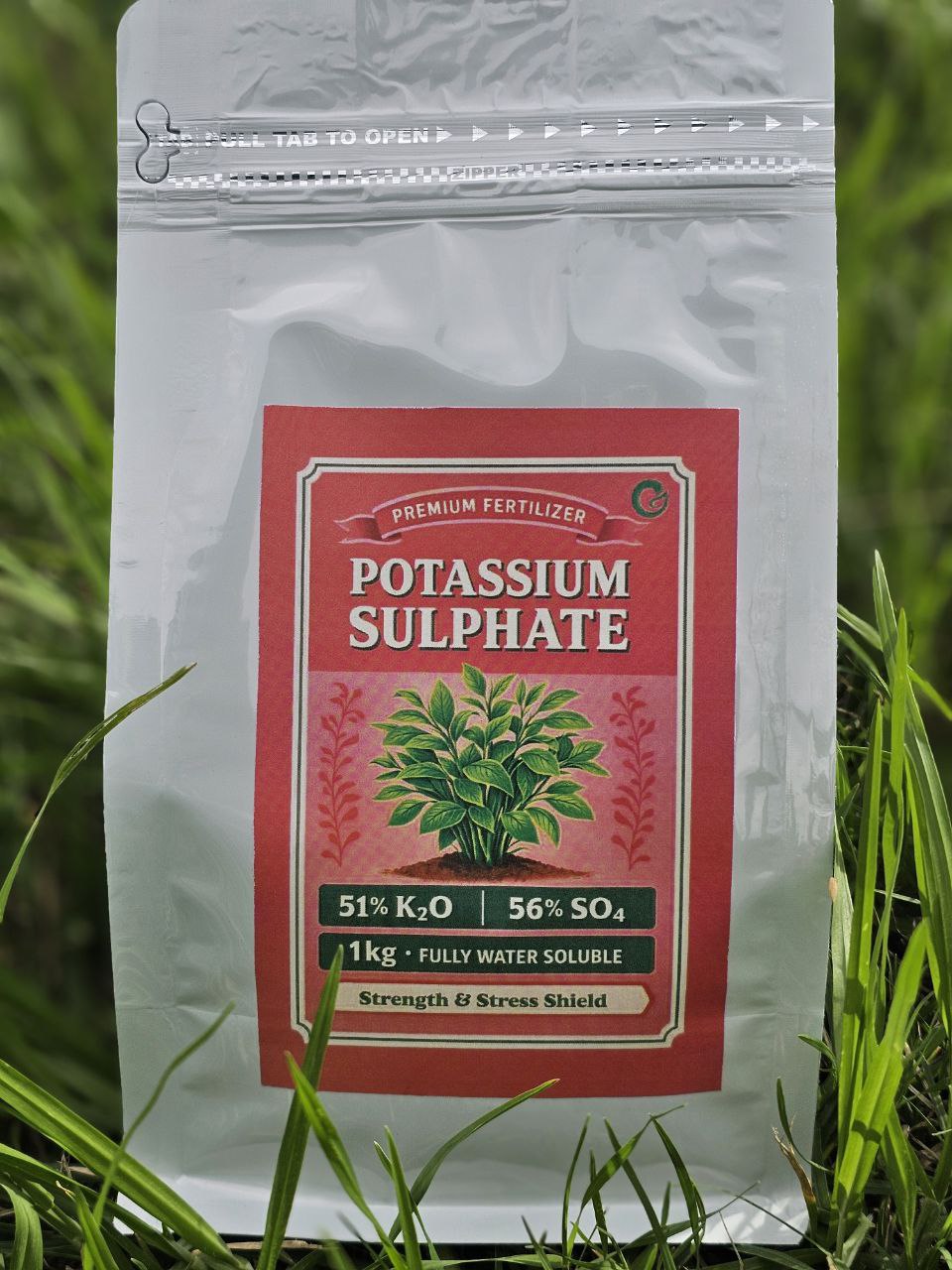
Mix it with the right partners. Incitec Pivot lists urea as compatible with most fertilisers in dry blends, except superphosphate and ammonium nitrate products, and only partly compatible with trace-element sulphates like zinc sulphate. It pairs well with sulphate of potash, which is why our Lawn Root & Shoot Repair Kit combines the two.
Urea and Citrus
Citrus are hungry trees, and nitrogen is a big part of what keeps them green and cropping. The catch is the dose and the timing. Too much pushes lush leaf at the expense of fruit, so feed in measured amounts while the tree is actively growing, from spring through late summer, and water each feed in well.
Leaf sprays need one extra check. Granular urea like ours is a soil grade, and Incitec Pivot notes these grades can contain up to 1.5% biuret, an impurity from manufacturing. Biuret builds up in the leaves of evergreen trees like citrus with repeated sprays, so growers use a low-biuret grade for foliar feeding. Use ours on the soil.
Frequently Asked Questions
What is urea fertilizer?
How much urea per square metre?
How much urea per litre of water?
Can urea burn plants?
Is urea good for citrus?
Can I mix urea with other fertilisers?
How quickly does urea work?
How should I store urea?
What sizes do you sell?
Shop Urea Fertiliser
Whether you’re greening up a lawn, feeding leafy veggies or topdressing a paddock, urea gives you the most nitrogen for your money, as long as you water it in.
🚚 Free shipping Australia-wide · 🔒 Secure checkout · 🌱 For home gardens and commercial growers
Sources and further reading
- University of California IPM. Fertilizer amount for lawns.
- Montana State University. Urea volatilization: what we learned.
- GRDC. Nitrogen loss pathways: how much N is lost when urea is not incorporated.
- Spectrum Analytic. Calculating salt index.
- Manitoba Agriculture. Volatilization of surface-applied urea (PDF).