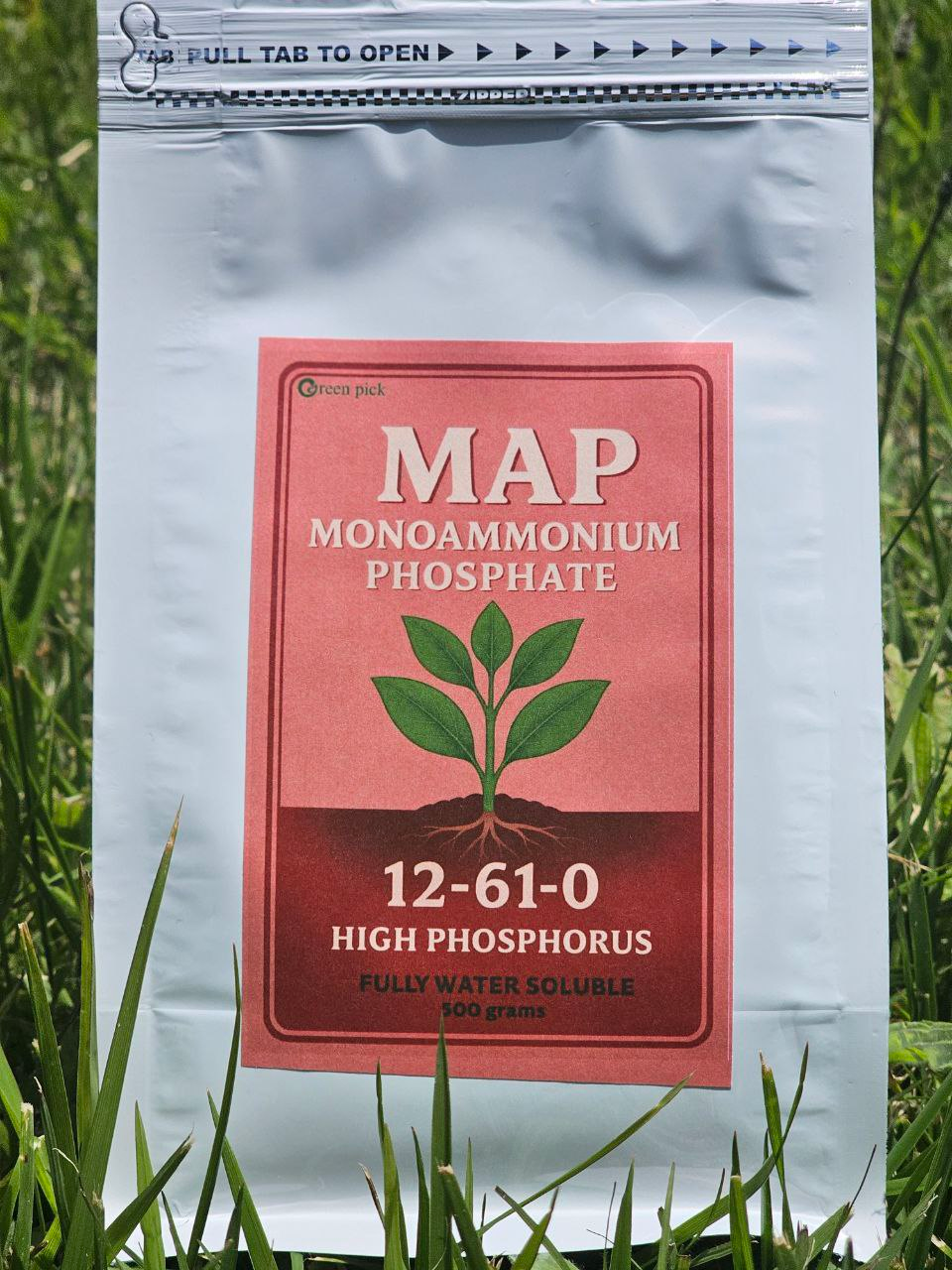

How to Use MAP (Monoammonium Phosphate) Fertiliser: A Guide for Home Gardeners
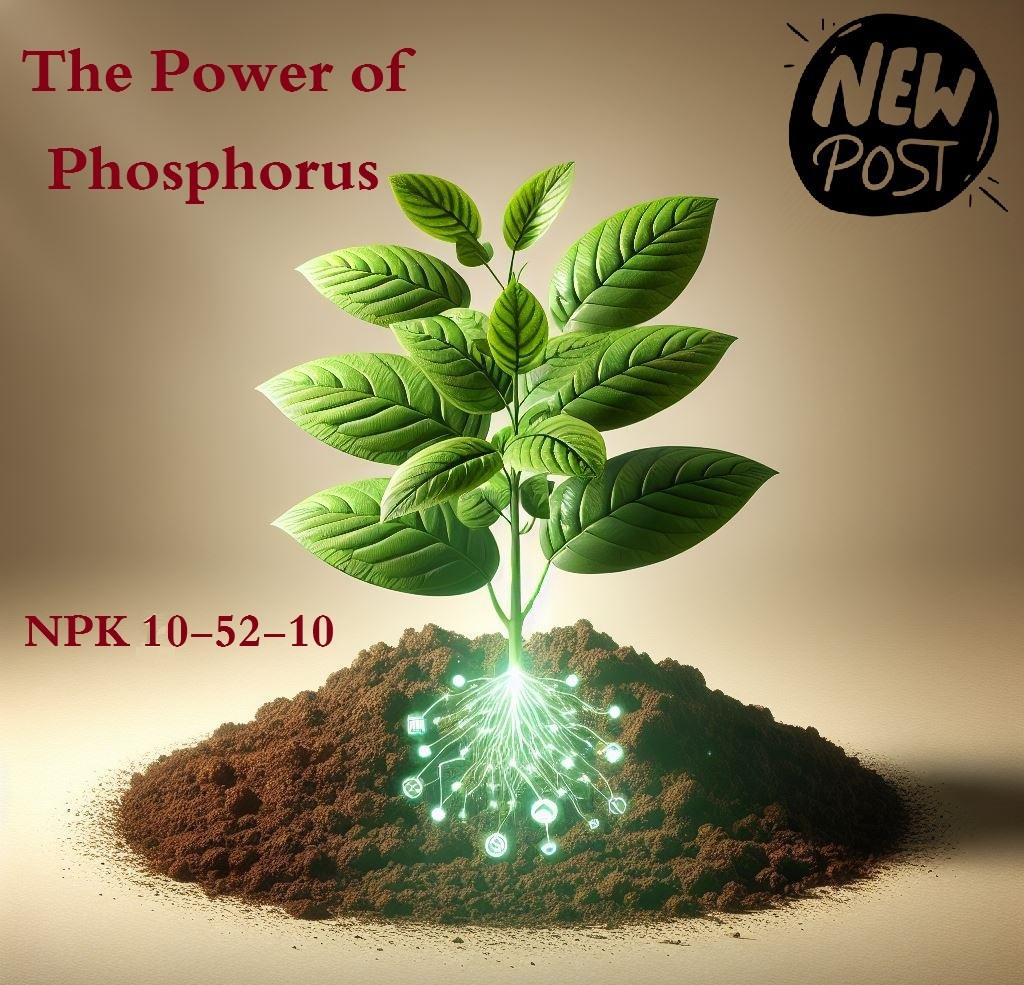
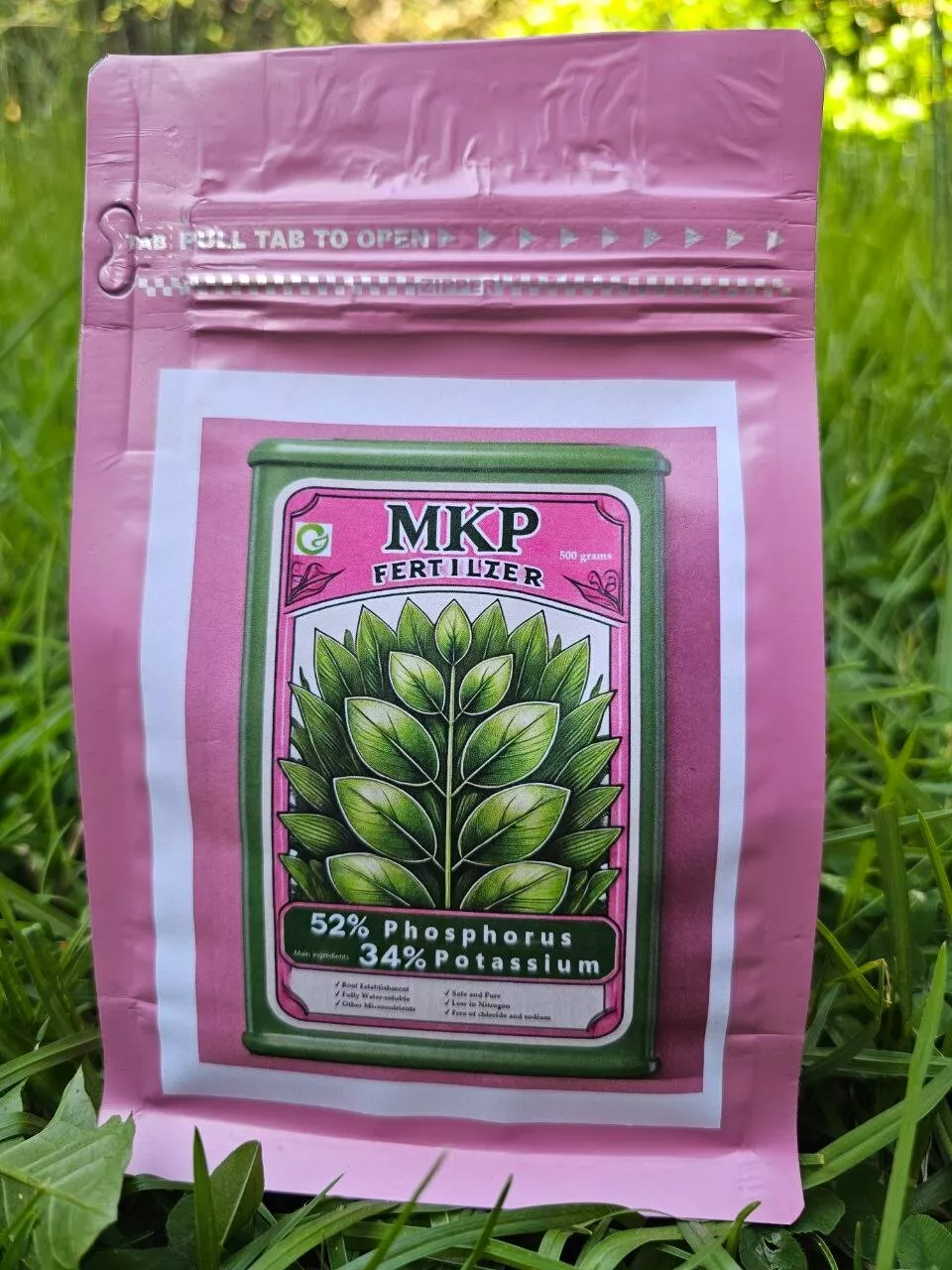
MAP (Monoammonium Phosphate) is a high-phosphorus, water-soluble powder fertiliser, ideal for vegetables, flowers, fruit trees and seedlings. It supplies phosphorus for root development and flowering, plus a little nitrogen to support early growth.
⚠️ This is a strong fertiliser. You only need small amounts, and over-use can damage your plants. Always measure carefully and stick to the rates in this guide.
Why Use MAP?
- ●Supports Root Growth: Phosphorus helps young plants build a strong root system, so they establish faster.
- ●Supports Flowering: Phosphorus is involved in flower and seed formation.
- ●Strengthens Young Plants & Transplants: A light feed at planting helps seedlings settle in.
- ●Corrects Phosphorus Deficiency: Useful where plants show signs of low phosphorus, such as stunted growth and dull, dark or purplish older leaves.
- ●Suits Alkaline Soils: MAP is mildly acidic in solution, which helps keep phosphorus available in the alkaline soils common in many parts of Australia.
🌿 Not for phosphorus-sensitive Australian natives: Banksias, grevilleas, hakeas, waratahs, proteas and leucadendrons are adapted to low-phosphorus soils and can be damaged or killed by high-phosphorus fertilisers like MAP. Do not use it on these plants or in beds where they grow.
General Mixing Guidelines
Every soil and plant is different, so treat these rates as a general guide. They are safe for most home gardens. For specific crops or problems, check with a local nursery or horticulturist.
| Use | Mix | How to Apply | Frequency |
|---|---|---|---|
| Soil drench Veggies, herbs, flowers |
5 g (1 level tsp) in 5 L of water (1 g/L) | Water onto moist soil around the base of the plant, about 2–5 L per m². | Every 2–3 weeks during early growth or flowering. |
| Seedlings & transplants Root booster |
1–2 g (¼–½ tsp) in 1 L of water (1–2 g/L). Use 1 g/L for very young seedlings. | Water gently around the stem after planting. | Once a week for 2 weeks, then switch to your normal fertiliser routine. |
| Foliar spray Quick top-up for P deficiency |
2 g (½ tsp) in 1 L of water (2 g/L). Do not exceed. | Mist leaves lightly until just wet, in the early morning or late afternoon. | Every 2–3 weeks if needed, up to 3 sprays. |
| Fruit trees Young trees or early-season growth |
10 g (2 level tsp) in 10 L of water (1 g/L) | Apply 10 L per young tree or 20 L per established tree, around the drip line rather than against the trunk. | Monthly during early-season growth, up to 3 applications. |
Tip: Foliar sprays give plants a quick but small dose of phosphorus. For a lasting fix, combine them with a soil drench. Avoid spraying in temperatures above 30°C or on drought-stressed plants.
Important Notes
- ●Do not mix MAP with calcium fertilisers (e.g. calcium nitrate) in the same container. They react and form a residue that can block sprayers and drippers.
- ●Use clean water and stir until the powder is fully dissolved before applying.
- ●Store in a dry, sealed container. MAP absorbs moisture easily and can cake if left open.
- ●Avoid over-use. MAP is strong; more is not better. Too much phosphorus can cause leaf burn and block the uptake of zinc and iron.
- ●Keep away from P-sensitive natives, as explained above.
How Far Will 500 g Go?
A 500 g bag makes approximately:
- ●500 L of soil drench (at 1 g/L), enough for 100 watering cans of 5 L
- ●250 L of foliar spray (at 2 g/L)
- ●50 young fruit tree applications (10 g each)
That’s enough for many months of feeding in a medium-sized home garden.
Shop MAP Fertiliser Today
Give your seedlings, veggies and young trees the phosphorus they need for strong roots and healthy flowering.