Calcium Deficiency in Plants: When & Why to Use Calcium Nitrate Fertilizer

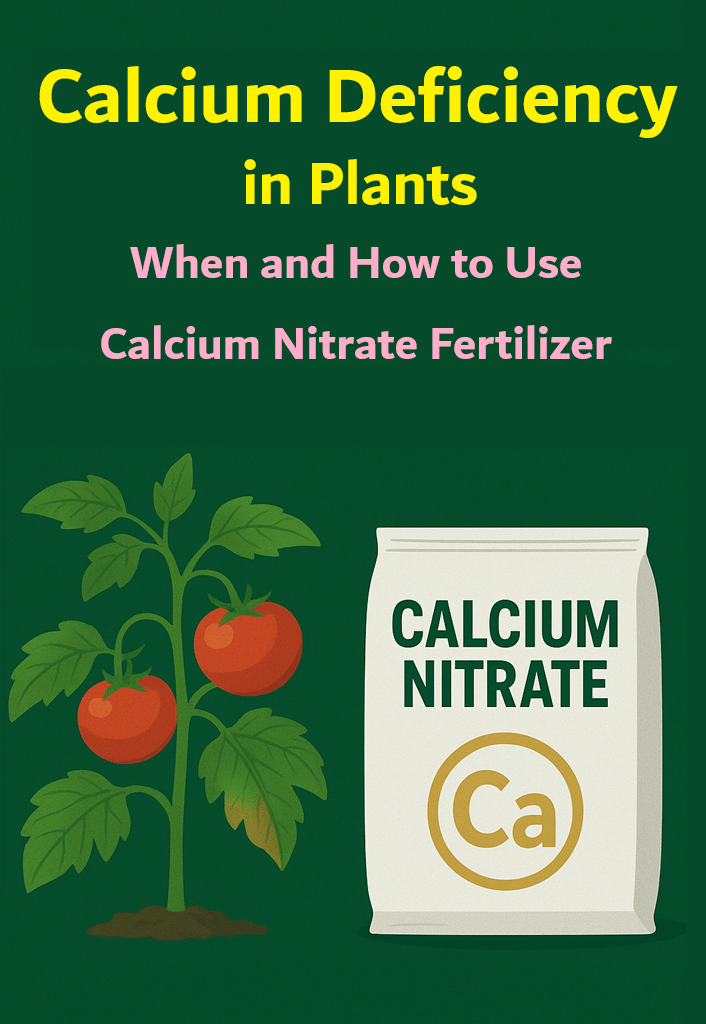
Calcium deficiency shows up on the newest growth first: curled or scorched young leaves, dying shoot tips and, in tomatoes and capsicums, blossom end rot. It’s often caused by uneven watering rather than a true shortage, so check the water first, then feed calcium where the soil, potting mix or hydroponic solution is genuinely low.
Symptoms on New GrowthOften a Watering Problem15.5% N + 19% Ca Fix
This guide explains why plants need calcium, how to recognise a shortage, and how to use our Calcium Nitrate to correct it at safe, measured rates.
Shop Calcium Nitrate See the Rates ↓
Why Plants Need Calcium
Calcium is built into cell walls, so it decides how firm leaves, stems and fruit are. Unlike nitrogen or magnesium, it can’t be moved from old leaves to new ones. That’s why a shortage always shows on the newest growth and the fastest-growing fruit.
- Cell wall strength. Firmer tissue, sturdier stems and fruit that stores longer.
- Root tips. New roots need a steady calcium supply to keep growing.
- Fruit and leaf quality. Blossom end rot in tomatoes, bitter pit in apples and tip burn in lettuce are all calcium disorders.
Calcium travels through the plant with water. If watering is uneven, the supply to fast-growing fruit and leaf tips gets cut off, even when the soil holds plenty.
Signs Your Plants Are Short of Calcium
- New leaves: distorted, curled or scorched at the tips and edges.
- Growing points: stunted, with dying shoot tips.
- Fruit: dark, sunken, leathery patches on the bottom of tomatoes, capsicums and eggplants (blossom end rot).
- Leafy greens: brown, papery inner leaf edges (tip burn).
- Roots: brown, stubby roots with poor branching.
💧 Check the water first. Most calcium symptoms in home gardens come from dry spells followed by heavy watering, not from a shortage in the soil. Water deeply and regularly, mulch to hold moisture and never let pots dry out. Our blossom end rot guide explains why.
When Calcium Nitrate Helps
Calcium nitrate earns its place where calcium is genuinely short:
- Potting mix and hydroponics, where you supply all the calcium the plant gets.
- Sandy or acidic soils, which hold little calcium.
- Fruiting crops from the first flowers, once a soil test or past problems point to low calcium.
- Apples and leafy greens, where a leaf spray can help with bitter pit and tip burn.
How Much Calcium Nitrate to Use
⚠️ Note: Apply to moist soil in the cool of the day. More is NOT better: strong mixes burn roots. Use half strength for seedlings, salt-sensitive plants and during heatwaves.
| Use | Rate | How to apply | How often |
|---|---|---|---|
| Pots & containers | 2–3 g per litre of water | Dissolve the granules and water onto moist potting mix | Every 2 to 3 weeks from the first flowers |
| Vegetable & flower beds (liquid) | 20 g in a 9 litre watering can | Water evenly over about 2 m² of moist soil | Every 2 to 3 weeks during active growth |
| Vegetable & flower beds (dry granules) | 15–25 g per m² | Scatter around plants, keep off leaves and stems, and water in straight away | Every 3 to 4 weeks during active growth |
| Fruit trees (dry granules) | 30–50 g per young tree, 100–150 g per mature tree | Scatter under the canopy out to the drip line and water in well | 2 to 3 split doses from spring to early summer |
| Leaf spray (apples, leafy greens) | 5 g per litre (0.5%), up to 7.5 g | Spray in the cool of the morning or evening. Halve the rate if leaves burn. Not effective for blossom end rot | Weekly or fortnightly while fruit develops |
| Hydroponics | 0.5–1 g per litre of final solution | Dissolve in the A tank, away from phosphates and sulphates | Every feed |
For farm rates, a dose calculator and full mixing rules, see our Calcium Nitrate dose chart.
Best Practice
- Keep the soil evenly moist. Calcium only moves with water, so steady watering matters as much as the fertiliser.
- Weigh every dose. Use kitchen scales rather than spoons, since granule size varies.
- Keep it away from phosphates and sulphates. Never dissolve calcium nitrate in the same concentrate as MKP, NPK blends, Epsom salts or sulphate of potash, as they form a sludge that blocks drippers.
- Feed in mild weather. Skip heatwaves and drought-stressed plants.
Frequently Asked Questions
How do I know if my plant is short of calcium?
How much calcium nitrate per litre of water?
Will calcium nitrate fix blossom end rot?
Can I mix calcium nitrate with other fertilisers?
Shop Calcium Nitrate
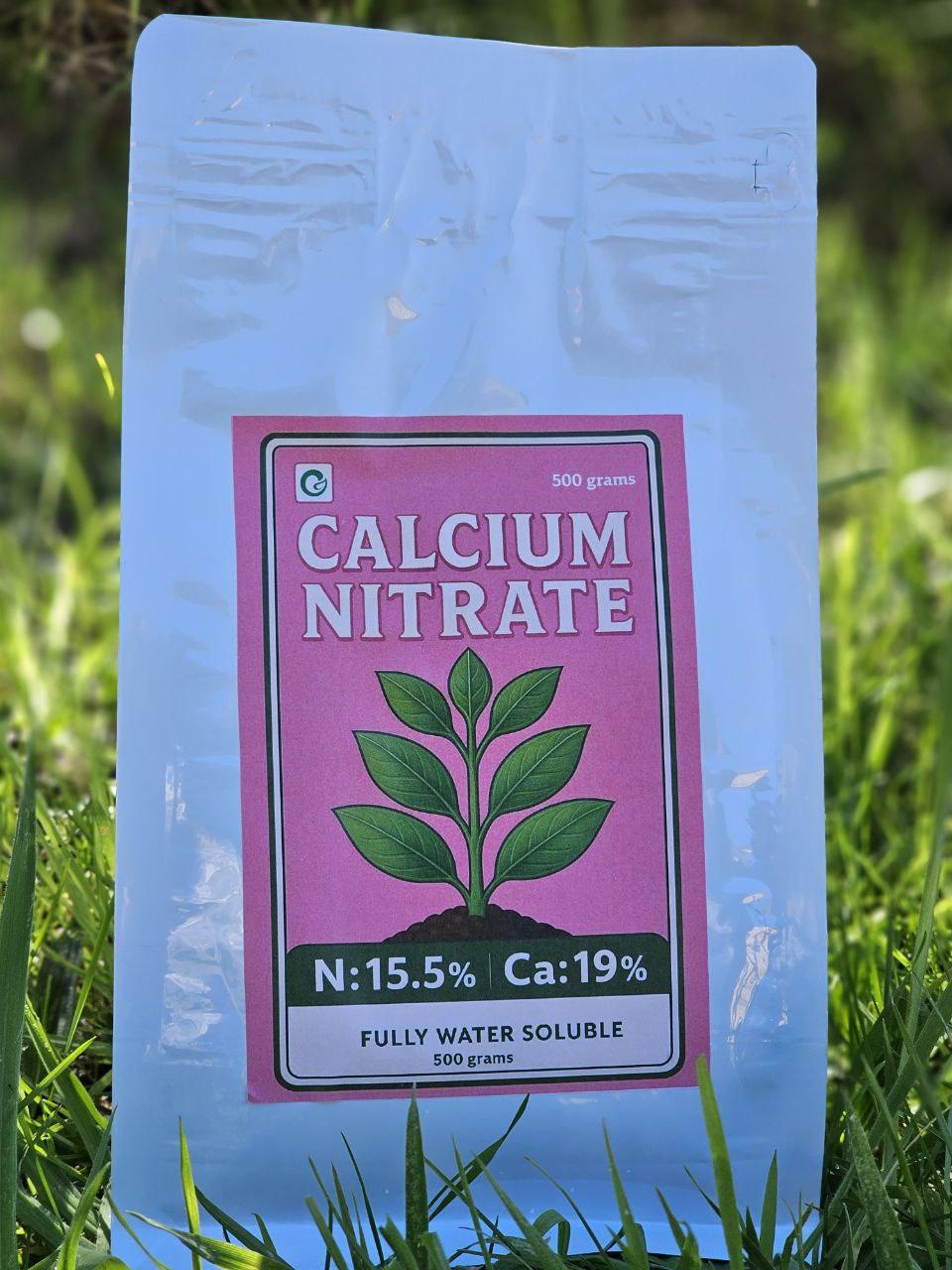
Our Calcium Nitrate supplies 15.5% nitrogen and 19% calcium in free-flowing granules that you can scatter dry or dissolve completely in water.
🚚 Ships across Australia · 🔒 Secure checkout · 🌱 For home gardens and commercial growers