
NPK 10-52-10: The Science of High-Phosphorus Fertiliser
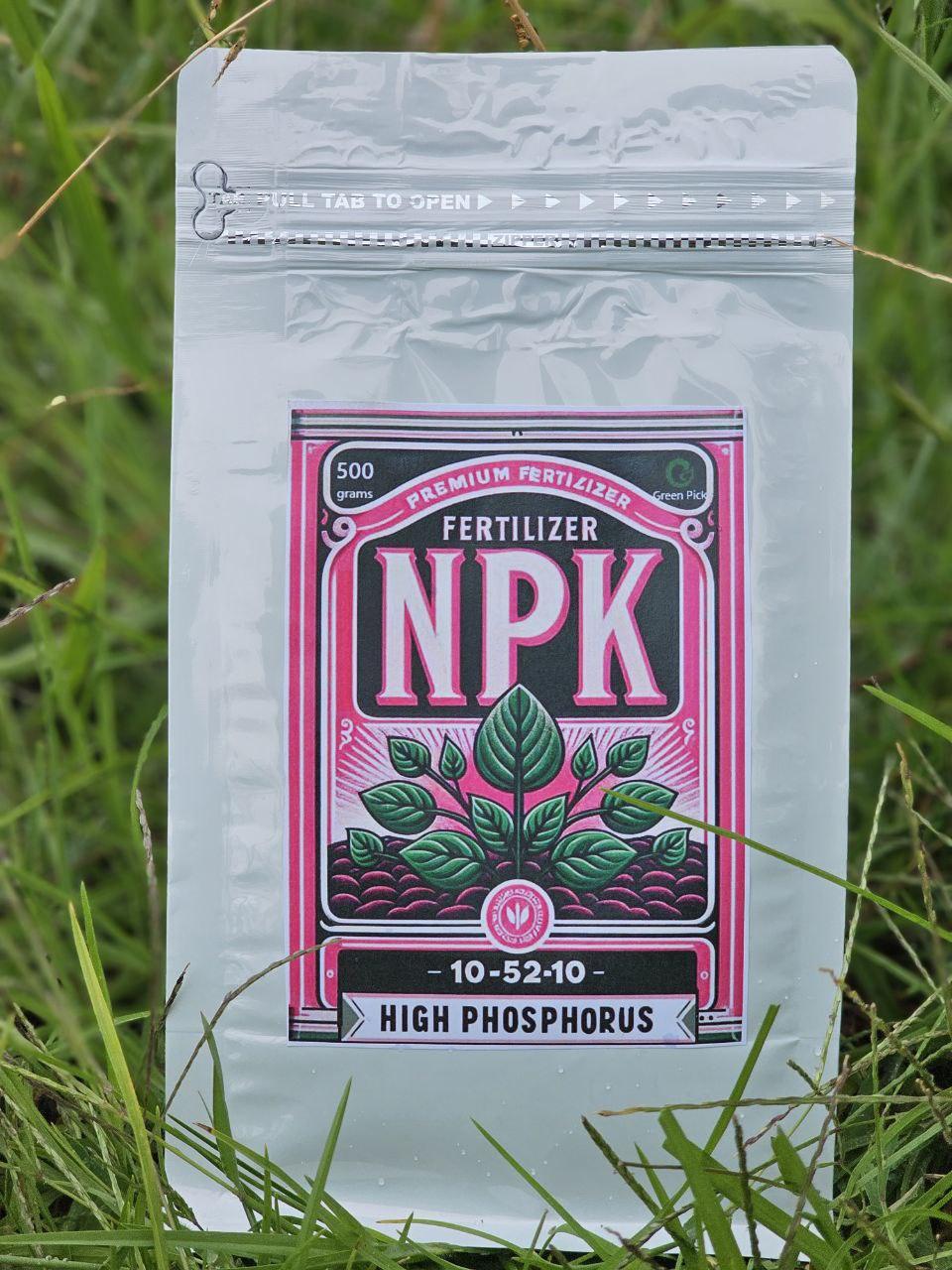
If you’ve ever wondered why some plants develop robust root systems and abundant blooms while others struggle, the answer often lies in one critical nutrient: phosphorus. Essential for energy transfer, root development, and flowering, phosphorus plays a vital role in plant health. Among specialised fertilisers, NPK 10-52-10 stands out as a high-phosphorus powerhouse, formulated to support early root establishment, vigorous growth, and prolific flowering in demanding growing conditions.
As garden enthusiasts and agricultural professionals know, the right nutrients at the right time can transform plant performance. This guide delves into the science behind NPK 10-52-10, explaining how its high phosphorus content enhances plant metabolism, when to use it for maximum impact, and how it can improve your growing results — from seedlings to mature crops.
Understanding NPK: The Fertiliser Code
Before diving into the specific benefits of 10-52-10, let’s decode what these numbers actually mean. The NPK rating represents the percentage by weight of three essential macronutrients:
| Nutrient | Content | Role |
|---|---|---|
| Nitrogen (N) | 10% | Supports leafy green growth |
| Phosphorus (P) | 52% | Promotes root development, flowering, and fruiting |
| Potassium (K) | 10% | Enhances overall plant health and disease resistance |
In NPK 10-52-10, the middle number (52) immediately signals the fertiliser’s specialty: an extremely high concentration of phosphorus compared to nitrogen and potassium. This distinctive ratio makes it particularly valuable for specific growth stages and plant needs.
The Chemistry of Phosphorus in Plant Development
Phosphorus plays several critical roles in plant physiology that simply cannot be fulfilled by other nutrients:
Energy Transfer and Storage
At the molecular level, phosphorus is a key component of ATP (adenosine triphosphate), the primary energy-carrying molecule in all living cells. When plants photosynthesise, this energy is captured and stored in phosphorus bonds, then released as needed for growth processes.
DNA and RNA Formation
Phosphorus is an essential structural component of the genetic material in plants. Without adequate phosphorus, plants cannot form new cells properly, leading to stunted growth and poor development.
Root System Development
One of phosphorus’s most visible effects is on root formation. When available in sufficient quantities:
-
- ●Roots grow deeper and more extensively
- ●Root hair density increases
- ●Plants can access more soil volume for water and nutrients
Flower and Fruit Production
Phosphorus directly influences reproductive growth stages:
-
- ●Stimulates flower bud formation
- ●Improves the quantity and quality of fruits and seeds
- ●Accelerates maturity in many crop species
When to Use NPK 10-52-10: Timing Is Everything
The extremely high phosphorus content of 10-52-10 makes it a specialised tool rather than an all-purpose fertiliser. Here are the key situations when it delivers maximum benefits:
Early Season Root Establishment
When transplanting seedlings or young plants, a phosphorus boost helps overcome transplant shock by stimulating rapid root development. Apply NPK 10-52-10 at planting time to:
-
- ●Reduce transplant mortality
- ●Speed early growth after transplanting
- ●Establish stronger plants that can better withstand environmental stresses
Flower and Fruit Initiation
As plants transition from vegetative growth to reproductive phases, phosphorus requirements increase dramatically. Apply 10-52-10:
-
- ●When flower buds begin to form
- ●At the early stages of fruit development
- ●When plants show signs of phosphorus deficiency (purplish leaves, stunted growth)
Cool-Weather Growing Conditions
Phosphorus becomes less available in cool soils (below 15°C). During early spring or autumn planting:
-
- ●Higher phosphorus concentrations overcome reduced availability
- ●Plants can establish despite suboptimal soil temperatures
- ●Root growth continues even when overall plant growth slows
Application Methods: How to Use NPK 10-52-10 Effectively
To maximise the benefits of this high-phosphorus formulation, proper application matters as much as timing.
Note: For dosage rates and step-by-step application methods across home gardens, greenhouses, and farms, see our dedicated NPK 10-52-10 Application Guide.
Plant-Specific Applications: Crops That Benefit Most
While most plants respond well to phosphorus at key growth stages, some crops show particularly dramatic responses to NPK 10-52-10:
Flowering Ornamentals
-
- ●Roses: Apply when new growth begins and again at bud formation.
- ●Annual bedding plants: Use at transplanting and pre-flowering stages.
- ●Bulb flowers: Apply at planting and when shoots emerge.
Fruiting Vegetables
-
- ●Tomatoes: Apply at transplant time and again when first flower clusters form.
- ●Peppers: Use at transplanting and first bloom.
- ●Cucumbers and melons: Apply at vine development and flowering stages.
Root Crops
-
- ●Potatoes: Incorporate at planting and hill-building stages.
- ●Carrots and beets: Apply at seeding and again when roots begin to enlarge.
- ●Onions and garlic: Use at planting and bulb formation.
Diagnosing Phosphorus Deficiency: When to Intervene
Knowing when to apply NPK 10-52-10 often depends on recognising symptoms of phosphorus deficiency, which include:
-
- ●Purple or reddish colouration on undersides of leaves
- ●Stunted growth despite adequate water and sunlight
- ●Poor flowering or fruit set
- ●Delayed maturity compared to properly fertilised plants
- ●Thin stems and reduced overall vigour
If you observe these symptoms, a targeted application of 10-52-10 can often produce visible improvement within 1–2 weeks.
Environmental Considerations: Responsible Use
While phosphorus is essential for plant growth, it’s important to use high-phosphorus fertilisers responsibly:
-
- ●Apply only at recommended rates to avoid phosphorus runoff
- ●Incorporate into soil rather than surface applying when possible
- ●Avoid application before heavy rain events
- ●Consider soil testing to confirm phosphorus needs before large-scale application
Conclusion: Maximising Your Growing Success
NPK 10-52-10 fertiliser represents a specialised tool in the modern grower’s arsenal — a focused solution for situations where phosphorus makes the difference between mediocre results and exceptional harvests.
By understanding when and how to apply this high-phosphorus formulation, you can:
-
- ●Develop stronger, more extensive root systems
- ●Encourage more abundant flowering and fruiting
- ●Overcome challenging growing conditions
- ●Produce higher quality crops with improved shelf life
Whether you’re a commercial grower seeking to maximise yields, a market gardener focused on quality, or a home gardener wanting picture-perfect results, NPK 10-52-10 delivers the phosphorus boost plants need at critical growth stages.
Ready to experience the difference that targeted phosphorus nutrition can make? Explore our NPK 10-52-10 fertiliser and give your plants the phosphorus advantage they deserve.