
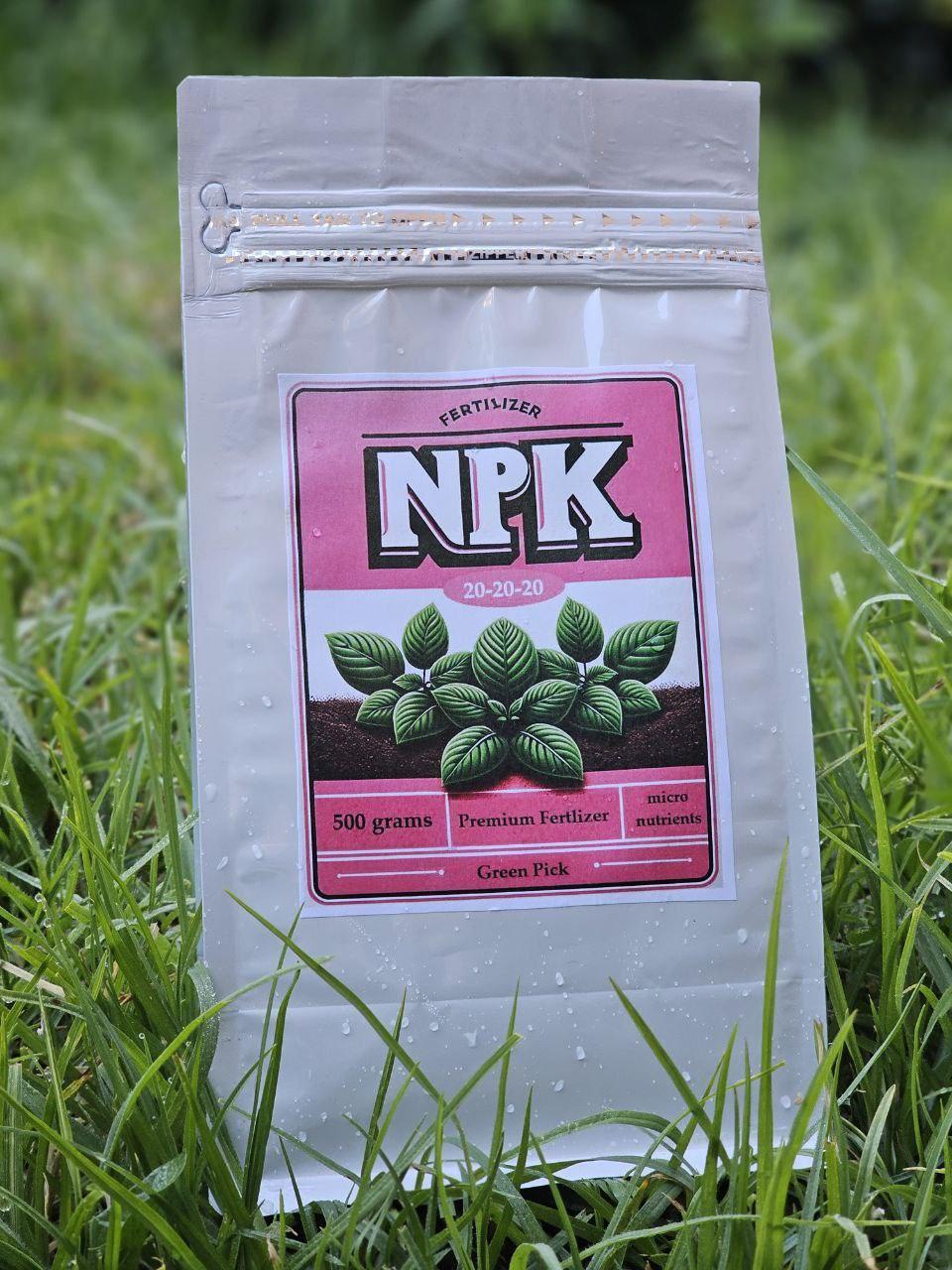

NPK 20-20-20: The Complete Guide for Australian Gardeners
If you want one fertiliser that covers all the bases, NPK 20-20-20 is where most Australian gardeners start. It’s a fully balanced blend — equal parts nitrogen, phosphorus and potassium — built to support healthy foliage, strong roots and better yields in a single application, whether you’re tending a few pots on the patio or managing a working farm.
This guide walks through what’s actually in the bag, how to mix and apply it correctly for your setup, and how it compares to our other specialised blends — so you can feed your plants with confidence rather than guesswork.
Why Choose NPK 20-20-20 Fertiliser?
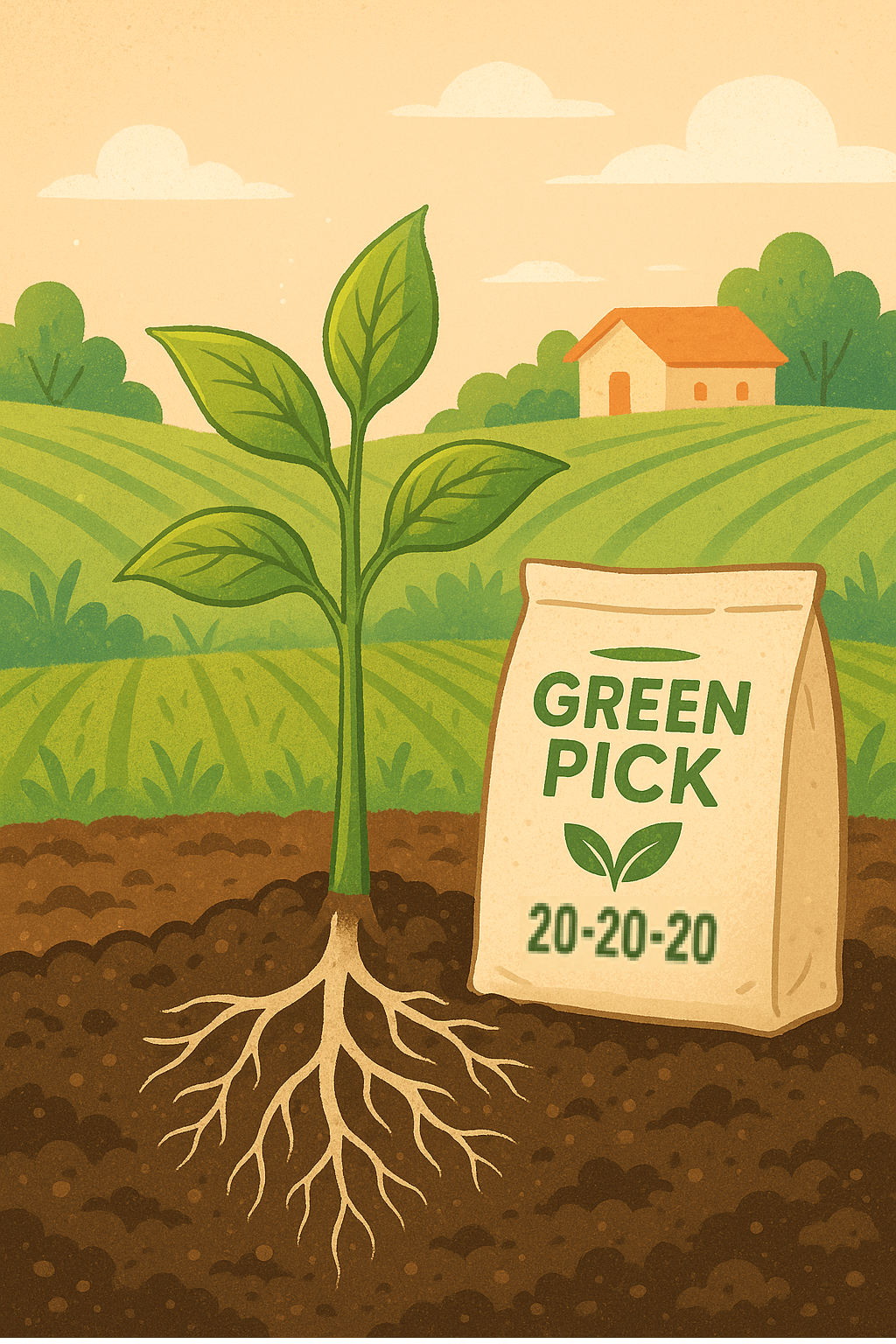
NPK 20-20-20 is a premium, evenly balanced fertiliser — the “20-20-20” in the name is the exact percentage of each core nutrient, so there’s no guessing which one is dominant.
| Nutrient | Content | What It Does |
|---|---|---|
| Nitrogen (N) | 20% | Drives lush, green growth and healthy foliage |
| Phosphorus (P) | 20% | Encourages strong roots and vibrant flowers |
| Potassium (K) | 20% | Boosts overall plant health, resilience and fruit development |
| Trace Elements | Magnesium, Zinc, Iron, Boron | Rounds out the nutrient profile for complete, all-round plant health |
Built for Australian Conditions
Whether you’re growing vegetables, fruit, flowers or ornamentals, NPK 20-20-20 is formulated to perform across Australia’s diverse climates — from humid coastal gardens to dry inland properties. It scales just as well too, meeting the needs of a small backyard patch and a large commercial operation alike.
Application Guide for Home Gardens
NPK 20-20-20 is straightforward to mix and highly effective for home use. The rates below suit typical garden conditions.
Note: These are general guidelines for normal use. For precise dosing tailored to a specific crop or soil type, we recommend checking with a specialist.
| Use | Preparation | Application | Frequency |
|---|---|---|---|
| Indoor & outdoor potted plants | Dissolve about 5 g (roughly 1 heaped teaspoon) in 1 litre of cool, boiled water | Water plants with 200 ml (1 standard glass) | Every 1–2 weeks |
| Small vegetable beds & flower gardens | Dissolve 20–30 g (about 3 teaspoons) in 1 litre of water — regular tap water or rainwater is fine, as the larger soil volume naturally buffers it | Distribute evenly across the bed with a watering can | Every 1–2 weeks, or as needed based on plant health |
Two quick tips for potted plants: ease off feeding during autumn and winter when growth naturally slows, and always shake the mixed solution well before applying so the nutrients are evenly distributed. For a more detailed fertigation planning use our smart tool.
Application Guide for Large Gardens, Farms & Orchards
Managing a larger property calls for rates that scale efficiently. Here’s how to apply NPK 20-20-20 across field crops, greenhouse crops and orchards.
| Use | Method | Rate | Timing / Frequency |
|---|---|---|---|
| Field crops (wheat, barley, canola, etc.) | Foliar spray | 500 g per 200 L water | All seasons; most efficient during early growth stages |
| Field crops (wheat, barley, canola, etc.) | Irrigation | 500 g per 100 m² | All seasons; most efficient during early growth stages |
| Greenhouse crops (tomatoes, cucumbers, eggplants, etc.) | Foliar spray | 500 g per 200 L water | Every 2 weeks, to support growth, flowering and fruiting |
| Greenhouse crops (tomatoes, cucumbers, eggplants, etc.) | Irrigation (drip) | 500 g per 100 m² | Every 2 weeks, to support growth, flowering and fruiting |
| Orchards & large trees | Foliar spray | About 3 kg per 1,000 L water | — |
| Orchards & large trees | Irrigation | About 5–8 kg per hectare (mature trees) | — |
| Orchards & large trees | Deep root feeding (pit method) | 100 g per tree, buried 30 cm away and 40 cm deep (adjust for larger trees) | — |
For a more detailed fertigation planning use our smart tool.
Other NPK Blends for Specific Growth Stages
Our range of specialised NPK blends tailored to different growth stages and plant needs.
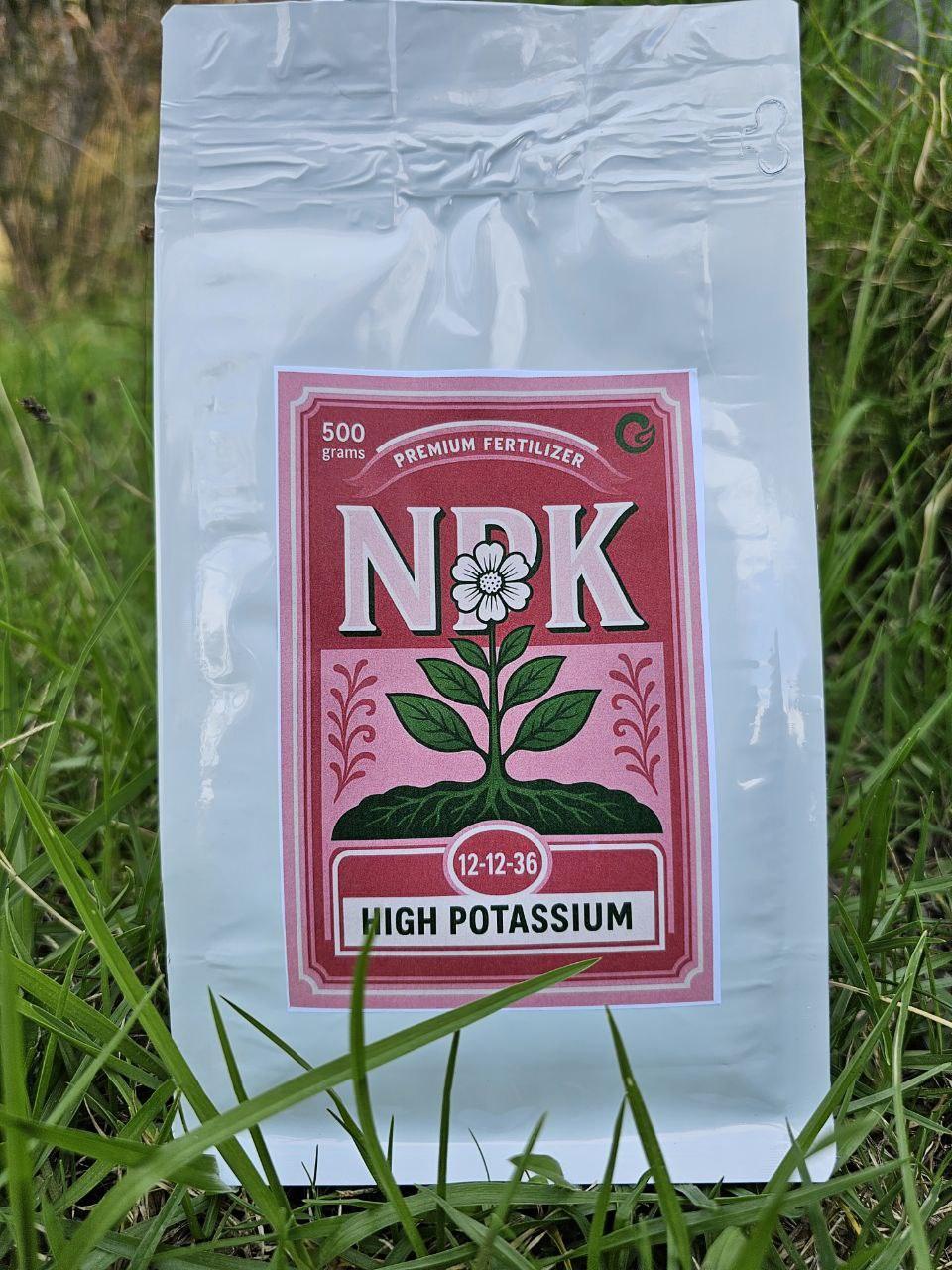
- ●NPK 12-12-36: Ideal for boosting fruit size and taste during the flowering and fruiting stages.
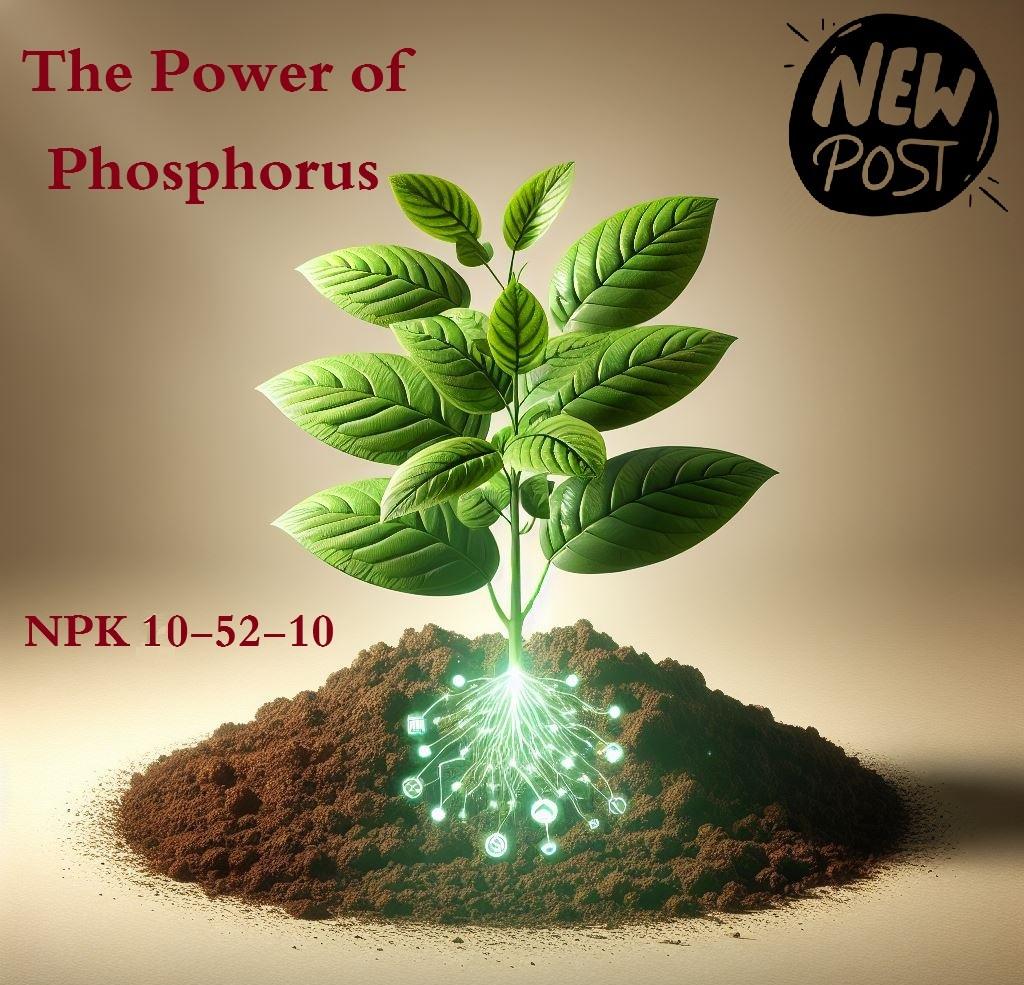
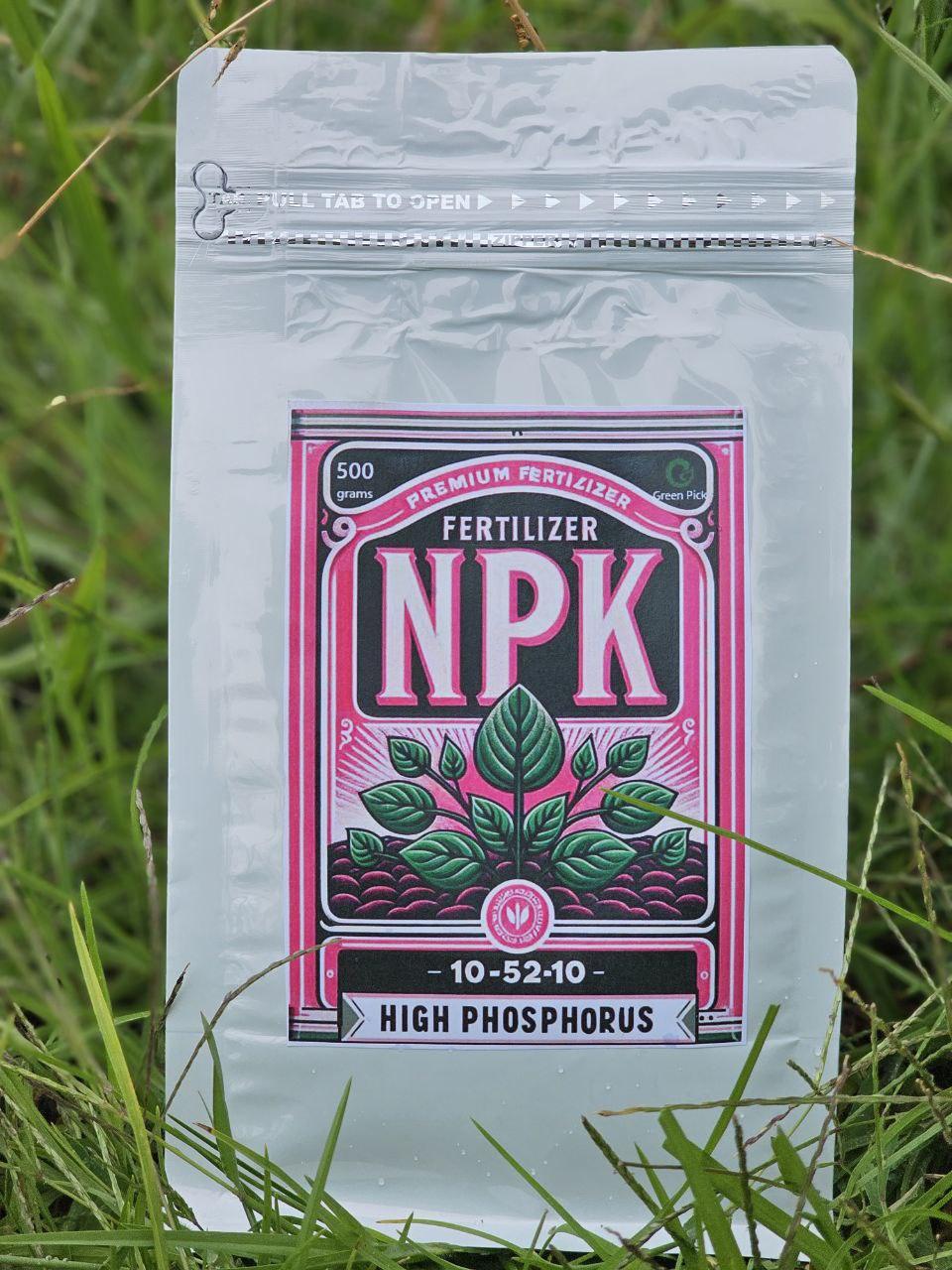
- ●NPK 10-52-10: High in phosphorus, perfect for root and shoot development in young or stressed plants.
Why Australian Gardeners Trust Our Fertilisers
- ●Optimised for local climates: Tailored to Australia’s diverse conditions, from coastal gardens to arid farms.
- ●Eco-friendly and sustainable: Maximises plant health while minimising environmental impact.
- ●Cost-effective: Highly concentrated formulas mean more value per bag.
Frequently Asked Questions
How often should I apply NPK fertiliser?
Can I use NPK fertiliser for all plants?
What size bags do you offer?
Shop NPK 20-20-20 Fertiliser Today
From a few pots on the balcony to broadacre paddocks, NPK 20-20-20 gives your plants a complete, balanced feed in every application. Explore our range of NPK blends.
Please quote us npk fertilizer
1. The fertilizer should be of European origin and contain 20% nitrogen (N), 20% phosphorus (P2O5), and 20% potassium (K2O2).
2. The fertilizer should be in granular (powder) form and fully soluble in water.
3. It should be free of any lumps or solid masses, and its moisture content should not exceed 0.5%.
4. It should be free of impurities such as chloride and other substances harmful to plants.
5. It should be packaged by the company in moisture-resistant, lined plastic bags, weighing 25 kg per bag, with a clear label and the Ministry of Agriculture’s seal.
6. The production date should not be before 2025, and it should have a shelf life of 3 years.
The contractor or the police must submit a sealed sample weighing no less than 10 kg.
Note that the sample will be opened for evaluation.
Hi there,
We have sent you an email from info@greenpick.au. Please be in touch with our team.
Thanks
Orchids how many gram perlite
Hi Tai,
For a more detailed advise please use our Fertigation tool here:
https://greenpick.com.au/fertigation-planner/
But as a general advice, you can use 10g in 10L water weekly, or the same ratio in different water volumes.
how much for 1000KG (1 TON)
Hi there,
We will send you an email from info@greenpick.com.au. Please be in touch with our team.
Thanks