
NPK 12-12-36 High-Potassium Fertiliser: The Complete Guide for Australian Growers
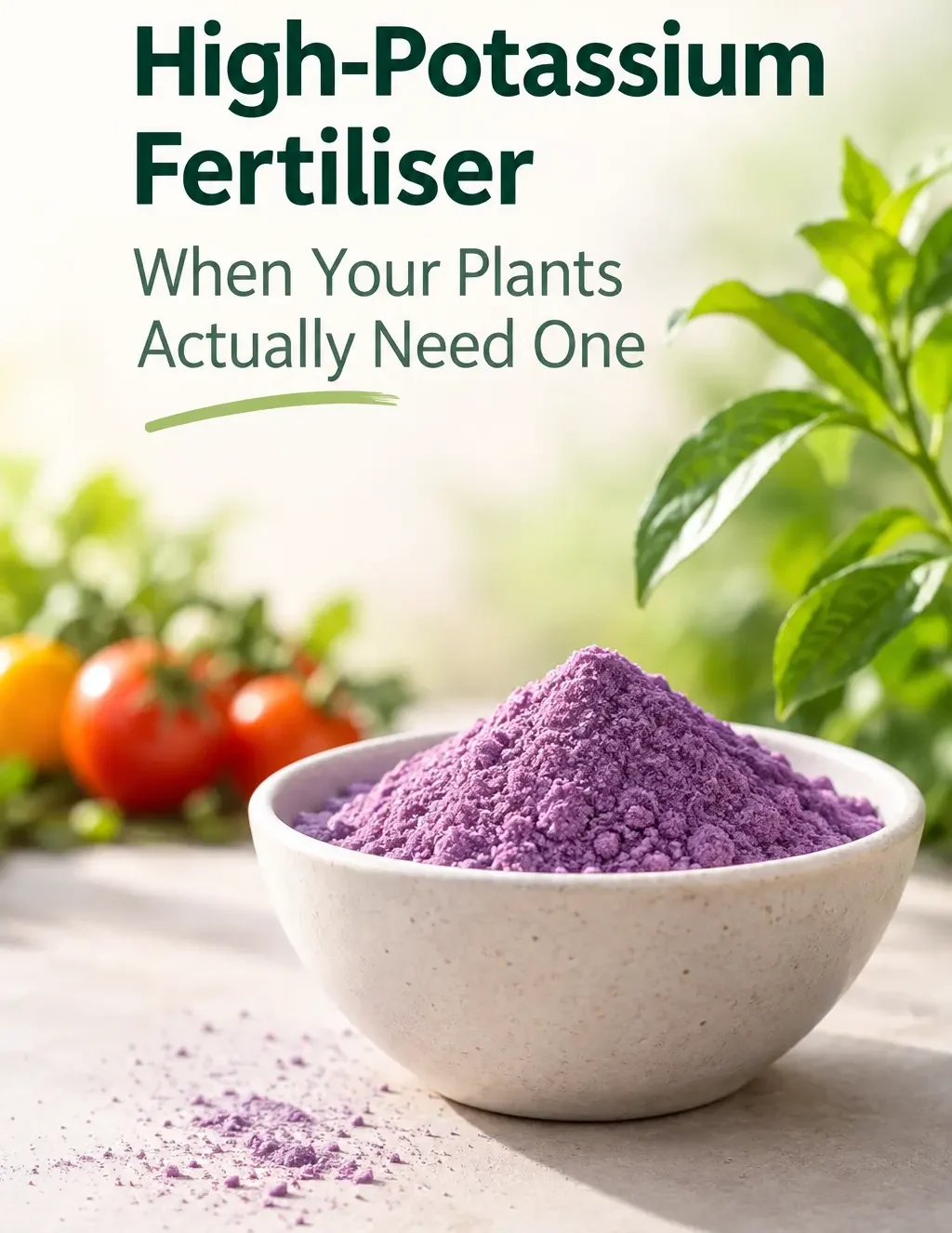
Give your crops the potassium they need at flowering and fruiting with NPK 12-12-36 High-Potassium Fertiliser. Whether you’re growing tomatoes, citrus, grapes, flowering plants or commercial crops, this chloride-free, fully water-soluble fertiliser supplies nitrogen and phosphorus with a strong boost of potassium (K), the nutrient plants demand most as they set and fill fruit. This guide explains what it does, when to use it, and how much to apply, from a single pot plant to a whole orchard.
Why Choose NPK 12-12-36 Fertiliser?
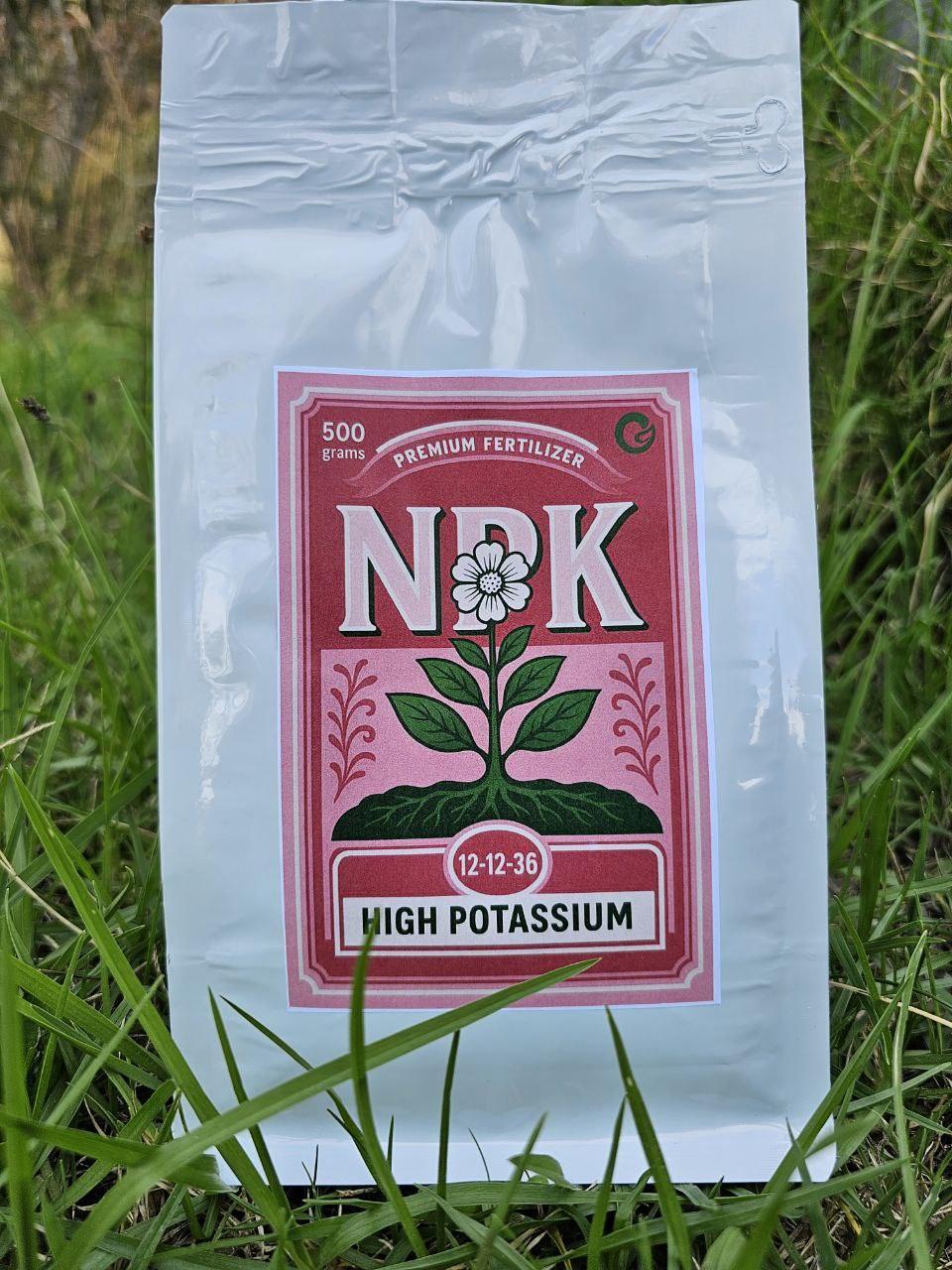
NPK 12-12-36 is a premium high-potassium fertiliser designed for the flowering, fruit set and fruit-fill stages, when a plant’s potassium requirement peaks. Its analysis is:
| Nutrient | Content | What It Does |
|---|---|---|
| Nitrogen (N) | 12% | Sustains leaf and shoot growth while the plant is carrying a crop |
| Phosphate (P2O5) | 12% | Supports root activity, energy transfer and flowering |
| Potash (K2O) | 36% | Drives sugar movement into fruit, supports fruit size, colour and firmness, and helps plants regulate water |
- ●High Potassium When It Counts: Fruit and flowers are major potassium sinks. Supplying K at flowering and fruit fill helps meet that demand when soil supply alone falls short.
- ●Better Fruit Quality: Adequate potassium supports sugar content, colour, firmness and shelf life in crops such as tomatoes, citrus, grapes, berries and stone fruit.
- ●Helps Plants Cope with Stress: Potassium regulates the pores on leaves that control water loss, so well-fed plants handle heat and dry spells better than potassium-deficient ones.
- ●Fast-Acting & Fully Water-Soluble: Dissolves quickly and completely for fertigation, foliar sprays, soil drenches and hydroponic top-ups.
- ●Clean Formula: Chloride-free and low in heavy metals, making it suitable for chloride-sensitive crops such as citrus, avocados, grapes, berries and potatoes, and for most soil types.
When to Use NPK 12-12-36
- ●From Flowering to Harvest: Start as flower buds form and continue through fruit set and fruit fill. For early leafy growth, a balanced or higher-nitrogen fertiliser is usually a better fit.
- ●When Potassium Is Low: Signs of deficiency include yellowing, then browning or scorching, along the edges of older leaves, weak stems and small or poorly coloured fruit. A soil or leaf test confirms it.
- ●On Light, Sandy Soils: Potassium leaches more easily from sandy soils, which are common across many Australian growing regions, so regular top-ups through the season are often needed.
🌿 Australian natives: With 12% phosphate, this fertiliser is not suitable for phosphorus-sensitive natives such as banksias, grevilleas, hakeas and waratahs.
Usage Instructions for Home Gardeners & Farmers
⚠️ Note: The rates below are general starting points and may vary with plant species, soil type, water quality and growing conditions. Start at the lower end and adjust based on your plants’ response and, for commercial crops, soil or leaf test results.
Home Gardens
| Use | Preparation | Application | Frequency |
|---|---|---|---|
| Potted plants & small gardens | Dissolve 5–10 g (1–2 level tsp) in 5 L of water (1–2 g/L). | Water onto moist potting mix at the base of the plant until it starts to drain. | Every 2 weeks during flowering and fruiting. |
| Vegetable gardens & flower beds | Soil: dissolve 20 g in 10 L of water (2 g/L). Foliar: dissolve 20–30 g in 10 L of water (2–3 g/L). |
Apply 2–5 L per m² to moist soil around the root zone, or mist leaves until just wet, without runoff. | Every 2–3 weeks from bud formation to harvest. |
| Backyard fruit trees, citrus & vines | Dissolve 30–60 g in 10–20 L of water. Use the lower amount for trees under 3 years old. | Pour slowly over moist soil from about 30 cm out from the trunk to just beyond the canopy edge. | Every 3–4 weeks from fruit set until about 4 weeks before harvest. |
Tips: For foliar sprays, use a fine mist in the early morning or late afternoon, and avoid spraying in temperatures above 30°C or on drought-stressed plants. Always water dry soil before applying fertiliser.
Large-Scale Farms & Orchards
The rates below are typical per-application ranges. Use the lower end on lighter soils or where potassium levels are already adequate, and the upper end for heavy-cropping blocks with a confirmed potassium demand.
| Crop | Method | Typical Rate (per application) | Timing & Notes |
|---|---|---|---|
| Greenhouse vegetables (tomatoes, capsicums, cucumbers, strawberries) | Drip irrigation (fertigation) | 1.0–1.5 g/L in the final irrigation water, or 5–10 kg/ha per application. | From first fruit set to the end of harvest, weekly or with each fertigation cycle. Monitor drainage EC and pH. |
| Field vegetables (tomatoes, melons, potatoes, onions) | Drip or sprinkler fertigation | 5–10 kg/ha per application. | From flowering or tuber initiation through fruit or bulb fill, every 7–14 days. |
| Citrus & avocados | Drip fertigation | 10–20 kg/ha per application. | From fruit set through fruit enlargement, every 1–2 weeks. Particularly useful for chloride-sensitive avocados. |
| Orchards (stone fruit, apples, pears) | Soil drench or fertigation | Young trees (1–3 yrs): 50–100 g per tree. Mature trees: 200–400 g per tree, or 10–20 kg/ha by fertigation. |
2–4 applications from fruit set to about 4 weeks before harvest. Apply within the drip line, not against the trunk. |
| Vineyards (table & wine grapes) | Drip fertigation | 5–15 kg/ha per application, or 20–50 g per vine. | From fruit set to veraison, every 1–2 weeks. For wine grapes, base rates on petiole tests: excess potassium can raise juice pH. |
| Vegetables & greenhouse crops | Foliar spray | 3–5 g/L (0.3–0.5%), about 2–5 kg/ha. | From flowering to fruit fill, every 10–14 days, 2–4 applications. Spray to even coverage without runoff. |
| Orchards, citrus & vineyards | Foliar spray | 5–10 g/L (0.5–1%), about 3–6 kg/ha in enough water for full canopy coverage. | From fruit set to colour change, every 10–14 days, 2–4 applications. Avoid spraying open flowers or in hot, windy conditions. |
How to Work Out Your Mix
- ●Spray concentration: 1% means 10 g of fertiliser per litre of water. For example, 3 kg/ha in 600 L/ha of water is 5 g/L, or 0.5%.
- ●Fertigation stock solution: dissolve 10 kg in 100 L of water to make a 10% stock (100 g/L). Injected at 1:100, this delivers 1 g/L to your crop; at 1:70, about 1.4 g/L. Do not put the stock solution straight onto plants.
- ●Per-tree totals: for 50 mature trees at 300 g per tree, you need 15 kg per application.
For a more detailed dosage per plant and in different conditions, please use our Smart Fertigation Planner.
Why Australian Growers Choose NPK 12-12-36
- ●Suited to Aussie Conditions: Hot, dry seasons and light, leaching soils make potassium management critical. Regular K top-ups help crops hold up through the toughest part of summer.
- ●Made for Fruit Crops: Citrus, grapes, berries, avocados and stone fruit benefit from potassium at fruit fill for sweeter, firmer fruit with better shelf life.
- ●Safe for Chloride-Sensitive Crops: Chloride-free, so it won’t add to salt build-up in soils or irrigation water, a common concern in many Australian growing regions.
Frequently Asked Questions
When should I use NPK 12-12-36?
Can I mix this with other fertilisers?
Is it suitable for hydroponics?
Can I use it on Australian native plants?
What happens if I apply too much?
What's the shelf life?
Shop NPK 12-12-36 High-Potassium Fertiliser — 500g, Free Postage
Ready for better flowering, fruit set and fruit quality? NPK 12-12-36 delivers the potassium your crops need when it matters most.